
South Caucasus
ARMENIA
stone and script
The first Christian nation, and one of the most compelling food and wine destinations in the region.
why armenia
Armenia became Christian in 301 AD and held onto it through Persian rule, Arab conquest, Mongol invasion, Ottoman pressure, and Soviet atheism.
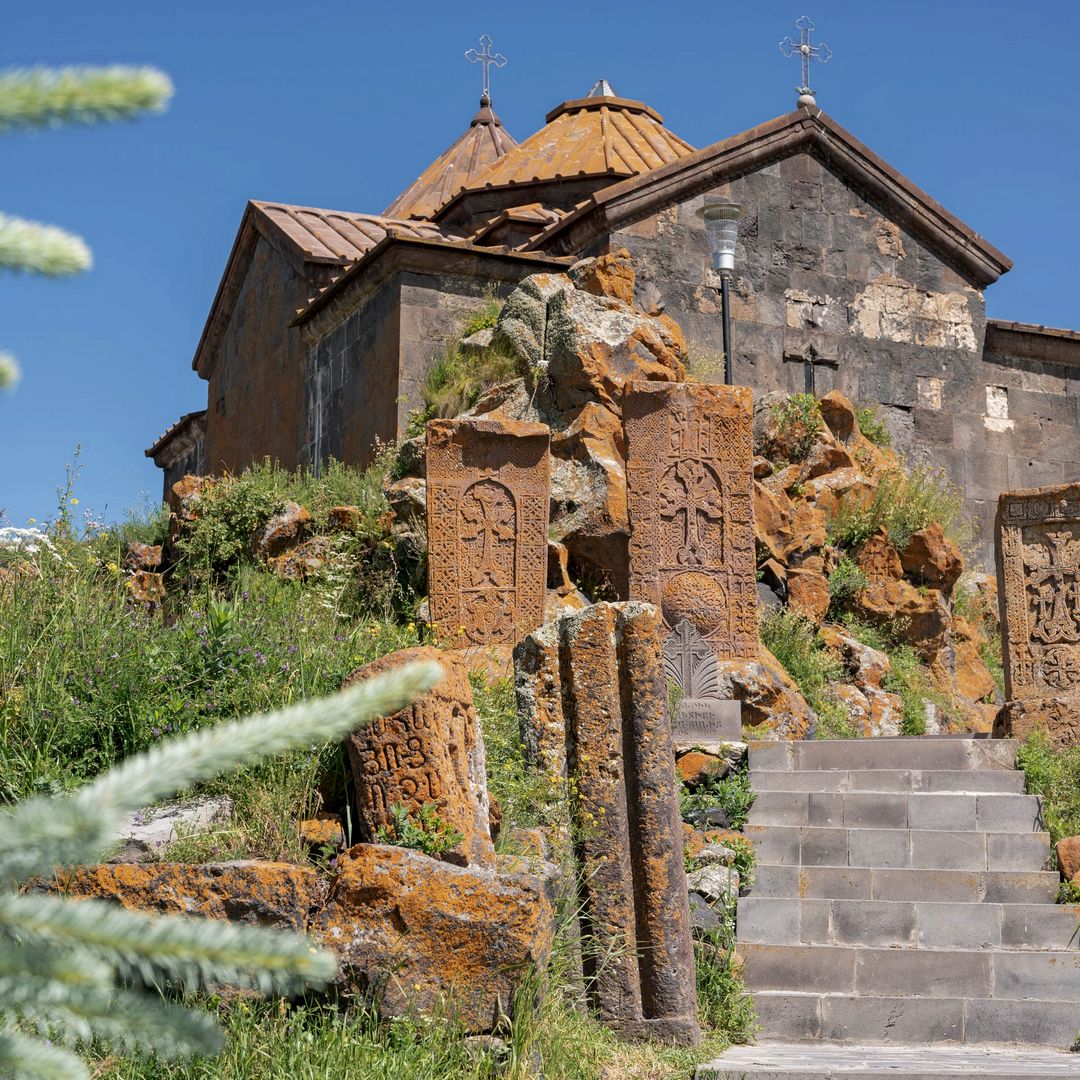
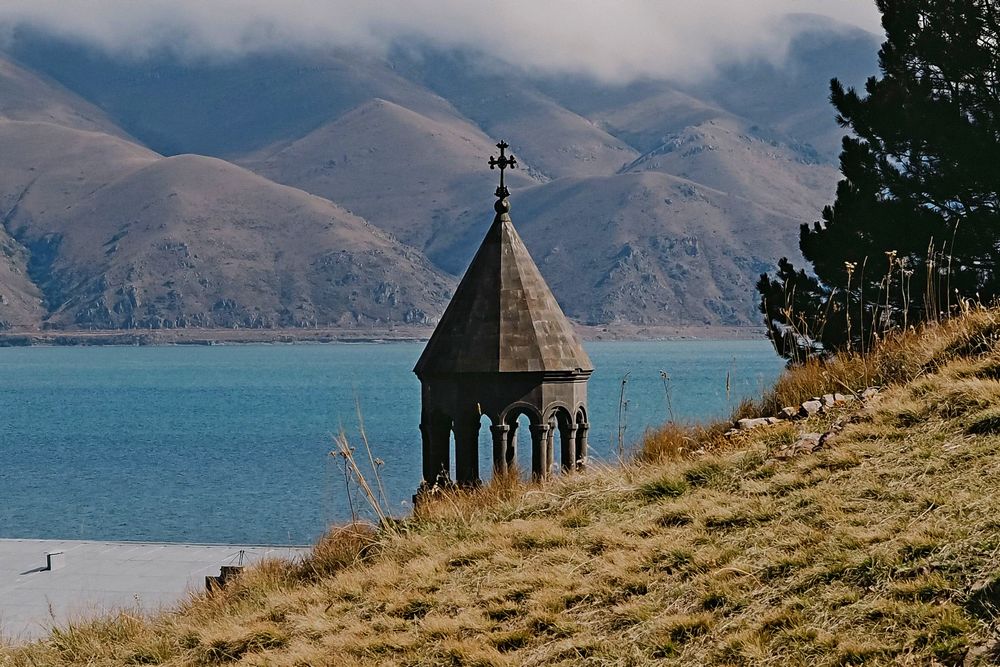
The church survived. So did the alphabet, created in 405 AD. So did the language. Stone churches and monasteries sit on cliffs above farmland and gorges. Many date to the 7th century or earlier, and services are still held. Khachkars, intricately carved stone crosses, mark landscapes, cemeteries, and monastery walls throughout the country.
Wine gets made in small family cellars using Armenian grape varieties. Bread is baked in tonirs, underground clay ovens that have been used for centuries. The brandy factory in Yerevan makes Ararat, the brandy Stalin served Churchill at the Yalta Conference. Churchill apparently requested it be sent to him regularly after the war.
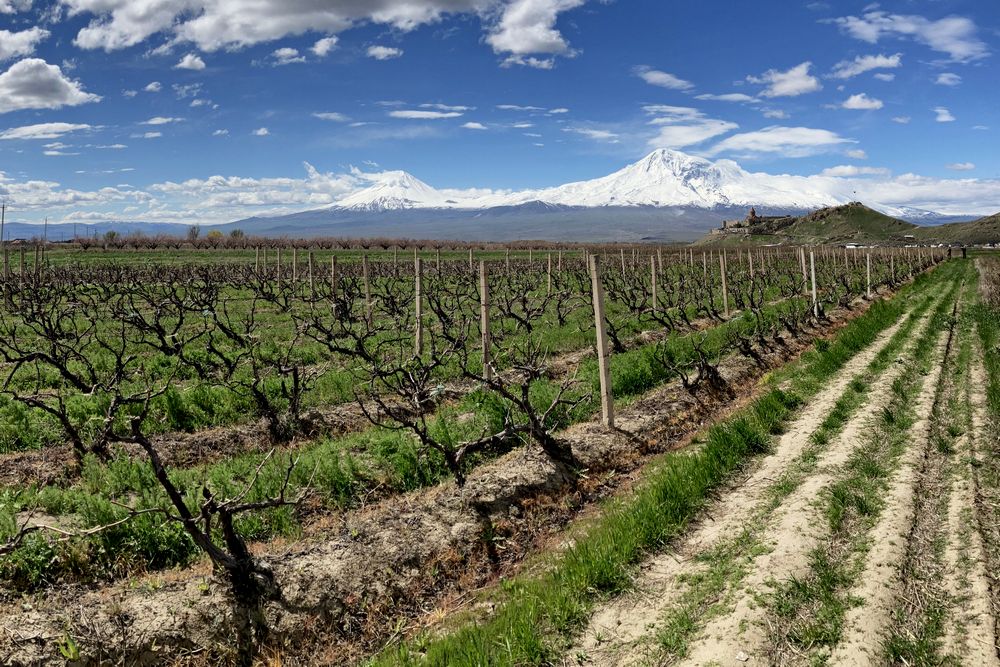
Mount Ararat sits across the border in Turkey but dominates Yerevan’s skyline. It appears on Armenia’s coat of arms and is woven into national identity despite being out of reach.
at a glance
What sets Armenia apart
01
First nation to adopt Christianity as a state religion.
02
An alphabet and language that have survived 1,600 years.
03
Yerevan as a compact, walkable base for most of the country.
04
Churches and monasteries from the 4th century onward, many still in use.
05
Small-scale wine production using Armenian grapes: Areni, Voskehat, Khndoghni.
06
Yerevan ranks among the region’s top food cities: natural wine, strong local sourcing, and restaurants that match the best home cooking.
what armenia requires
The country is small enough that most sites can be reached as day trips from Yerevan. Roads wind through mountains and follow rivers, which means drive times are longer than distances suggest.
A balance of capital with countryside works well in Armenia. Yerevan has the hotels, restaurants, and infrastructure. The regions have the monasteries, villages, and craft traditions.
on the ground
How MIR Works in Armenia
MIR has worked across the South Caucasus for nearly four decades. We have extensive relationships with local guides and experts who bring depth to monastery visits, archaeological sites, and village encounters.
what to expect
Time in Yerevan includes the Cascade complex, Republic Square, the weekend Vernisage market, and the Armenian Genocide Memorial and Museum. From there, most programs then continue into the regions.
Besides the stone churches with their ancient khachkars, travelers can enjoy cooking lessons in village homes, visits to small-scale winemakers, and time with musicians who play the duduk, an instrument whose sound is so distinctly Armenian that UNESCO put it on the intangible heritage list.
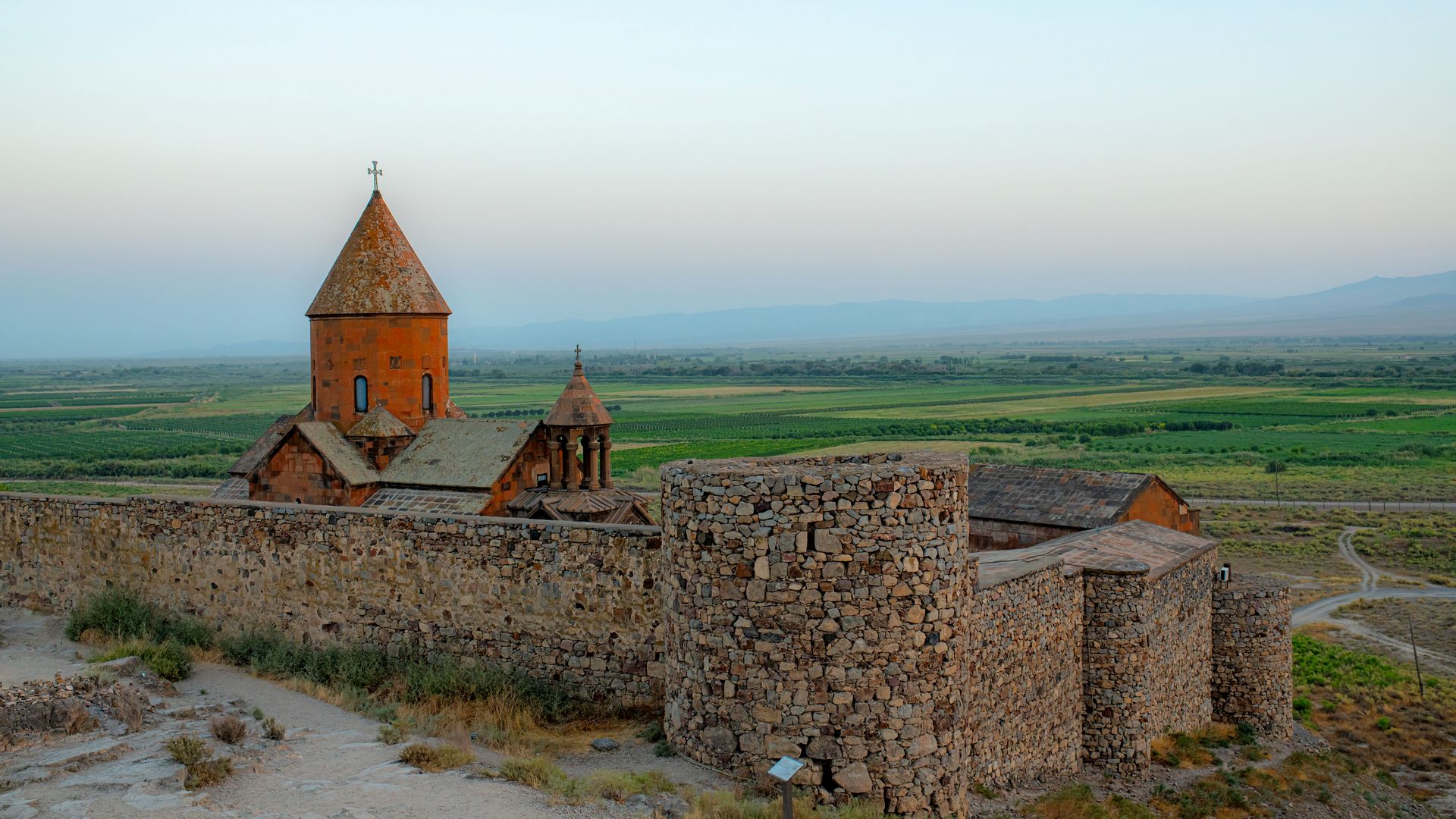
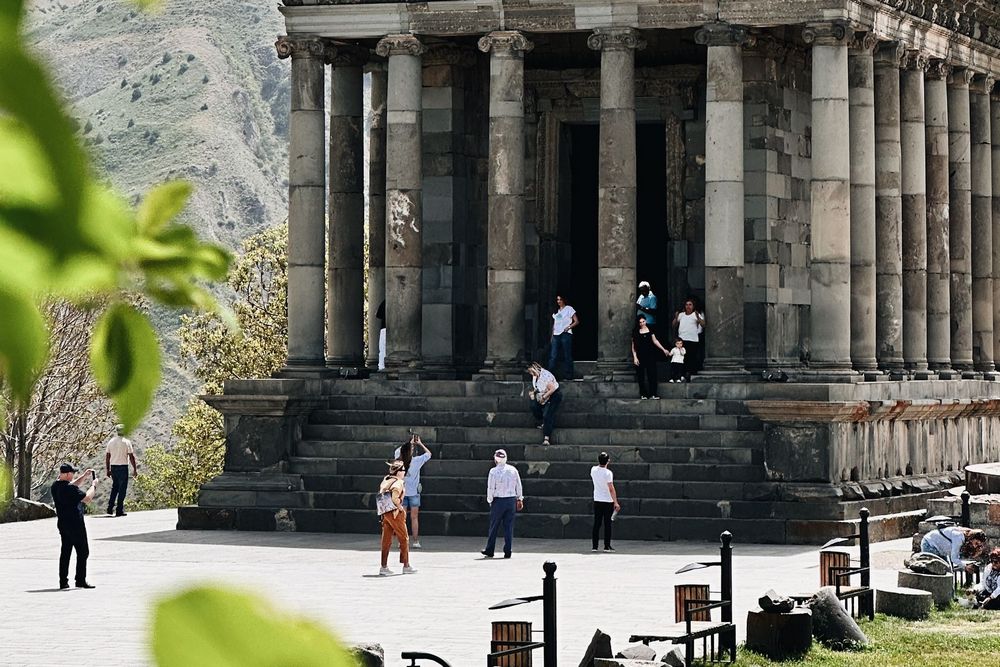
Haghpat Monastery sits carved into a hillside in the north. Geghard is partially cut from rock. Garni is a 1st-century pagan temple that survived the Christian conversion. Khor Virap sits below Mount Ararat with clear views on days when clouds cooperate.
how programs work
Built around access, proportion, and time.
01 — Where the Day Ends
Yerevan has several hotels that meet international standards, including boutique properties that incorporate Armenian design elements (handcrafted furniture, local stone, traditional textiles) while providing modern comfort.
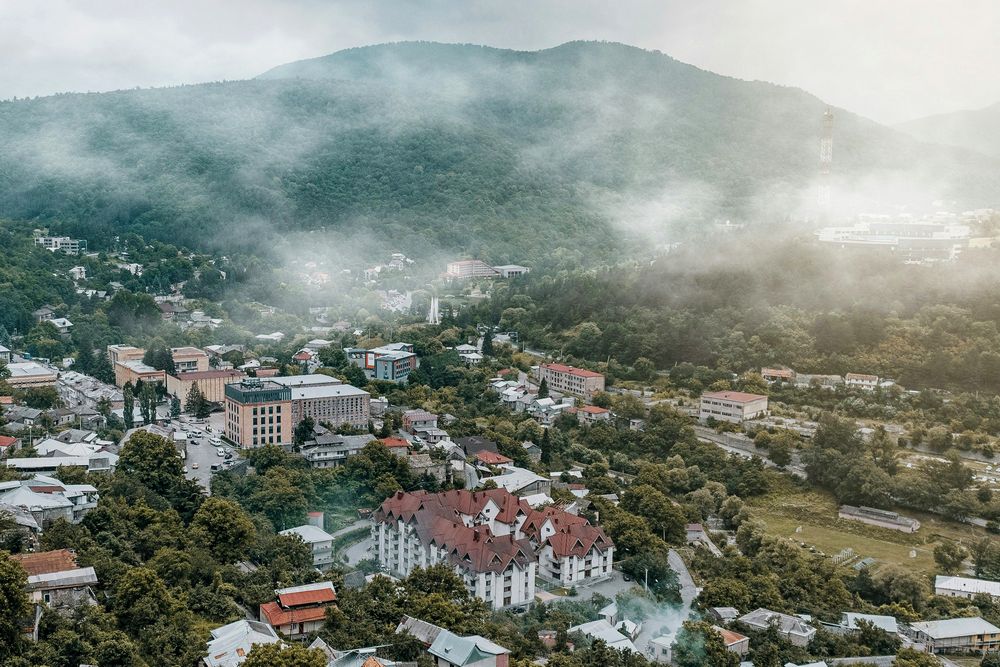
Beyond the capital, a small group of heritage-focused boutique hotels operate in Dilijan (near Lake Sevan), in the north along the route to Georgia, and in other regional locations. These properties occupy historic or traditionally designed buildings and emphasize Armenian materials and craft traditions. Outside these areas, most accommodation is family-run. Amenities are simple; the hospitality is not.
02 — Wine and Food
Armenia grows grape varieties that exist nowhere else. Winemakers are working with indigenous cultivars like Areni and Voskehat to produce wines that are genuinely distinct, and the category is developing fast. A small but serious natural wine scene has taken hold in Yerevan, with a handful of wine bars and bottle shops that would feel at home in any European capital. Brandy has a longer track record. The Yerevan Brandy Company has been making it for over a century, and it remains a point of national pride.
Yerevan has become a serious food city. The restaurant scene draws on strong local ingredients without drifting from what Armenian cooking actually is. Markets are full of herbs, pomegranates, walnuts, and stone fruit. Lavash comes out of tonir ovens still warm. Khorovats gets grilled roadside and eaten standing up. Some of the best meals happen in homes, where small dishes keep coming and the table doesn’t clear for hours. The cooking is seasonal and regional, rooted in what grows here.
03 — Getting Around
Most travel is by road. Yerevan to Lake Sevan is about an hour’s drive. Yerevan to Tatev Monastery in the south takes most of a day, but the route itself is part of the experience.
when to consider armenia
A strong sense of identity, the kind that comes from a long history.
Armenia suits travelers who are drawn to places with a strong sense of identity, the kind that comes from a long history, a distinct language and script, a food culture tied to the land, and a resilience that runs through everything about the country. Early Christianity is part of that story, but only part. The monasteries and ancient churches are genuinely worth seeing, and they tend to sit in landscapes dramatic enough to justify the drive on their own terms.
We design experiences that go beyond what any guidebook covers. In Yerevan, that might mean after-hours access to one of the world’s great cultural institutions, or a private musical performance in a setting that makes the music sound like it was written for the space. Out in the countryside, it could be a hike through landscapes where history surfaces unexpectedly, followed by time in a local kitchen learning to cook the food you’ve been eating all week. These are the kinds of moments that stay with travelers long after the trip ends, and they’re the kind we’re good at finding.
We also handle the extremes. One client spent 98 days traveling the South Caucasus on horseback across all three countries. Another came by private jet, hit only the wow highlights, and left within days. We can build either.
working on something?
If you’re developing a program here, we’re ready to talk.
More in the South Caucasus