
Central Asia
KYRGYZSTAN
high pastures
Ninety percent mountains, and a way of life built around horses and high pastures that has outlasted everything the modern world has thrown at it.
why kyrgyzstan
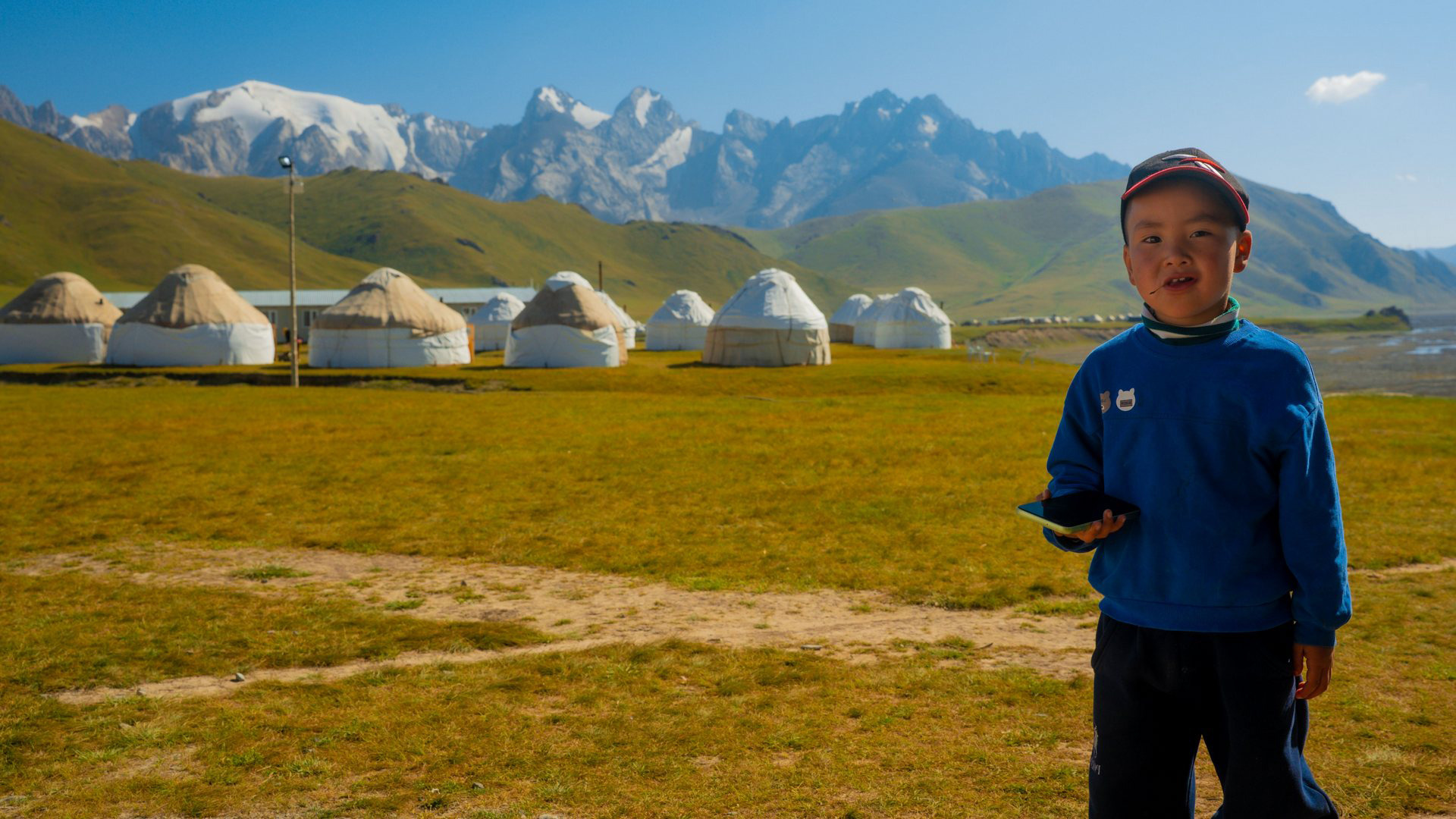
The geography allowed a way of life to continue longer here than anywhere else in Central Asia. Families still move to summer pastures each year.
Yurts go up in June and come down in September. Horses remain central to work, sport, and national identity. Traditional horse games like kok-boru are played at weddings and festivals. Felt-making continues as household production. A woman’s headdress tells you where she’s from and whether she’s married. People still pay attention to the difference.
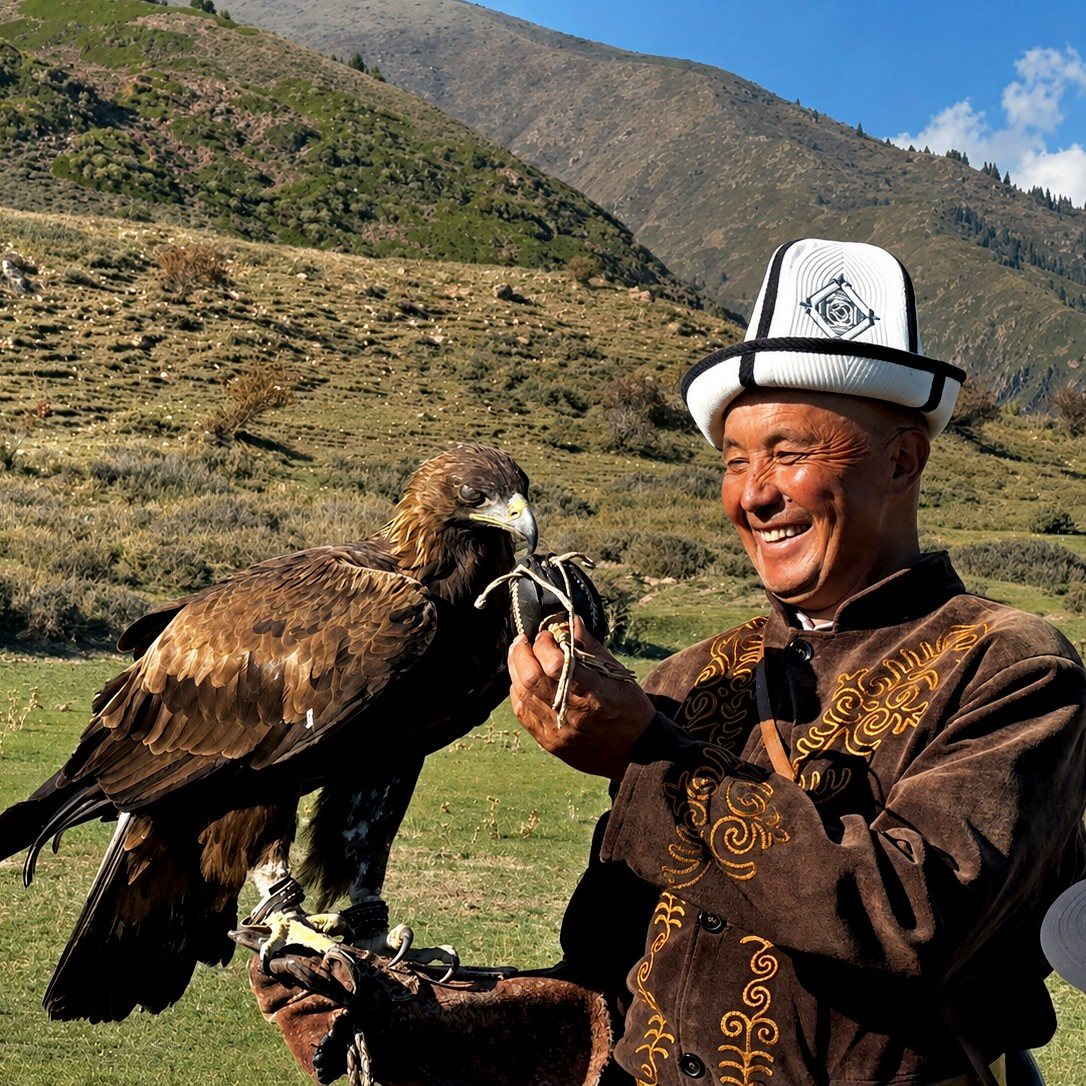
The Silk Road crossed Kyrgyz territory but left few cities. What it left instead was a culture built around passage: mountain passes, long valleys, and seasonal migration continuing today.
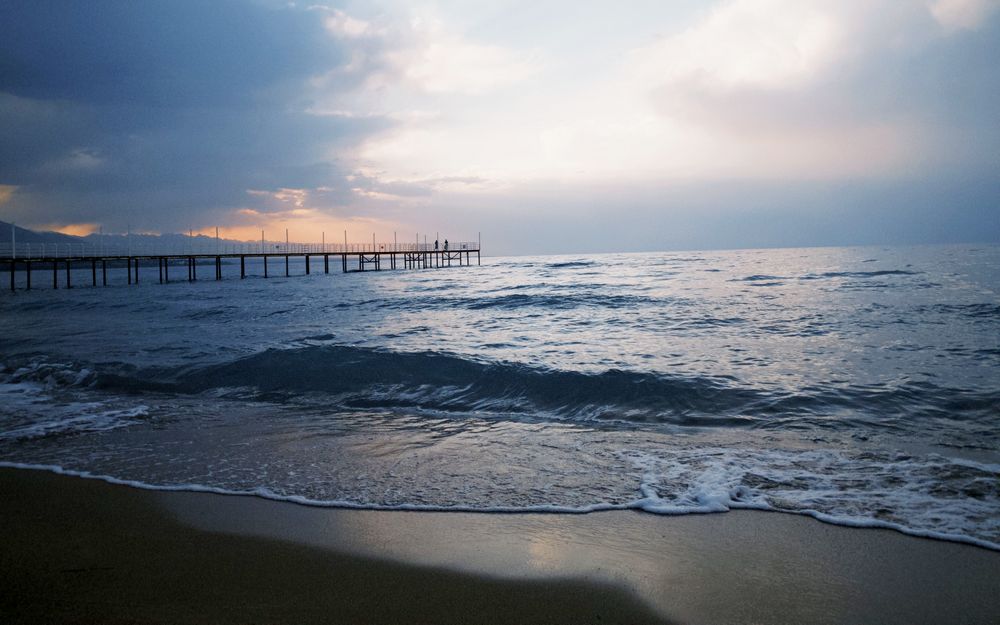
Lake Issyk-Kul is one of the world’s largest alpine lakes. Song Kol sits at 3,000 meters, ringed by pastures where herding families spend summer months.
at a glance
What sets Kyrgyzstan apart
01
One of the most mountainous countries in the world.
02
Semi-nomadic traditions still active: seasonal migration, yurt construction, horsemanship.
03
Song Kol and Issyk-Kul: high-altitude lakes central to summer life.
04
Felt-making, textile work, and craft passed through families.
05
Overland routes to Kazakhstan, Tajikistan, and western China.
what kyrgyzstan requires
Rural travel depends on weather, roads, and season. Infrastructure is improving but you need flexibility here more than anywhere else in Central Asia.
Landscape and culture work together in Kyrgyzstan in ways that don’t always come through on a standard itinerary. Programs need to account for both.
on the ground
How MIR Works in Kyrgyzstan
MIR has traveled Kyrgyzstan’s routes for nearly four decades, including the less-traveled eastern crossings that see few international operators. Kyrgyzstan connects naturally with Kazakhstan by road, with Tajikistan via the Pamir Highway, and with Uzbekistan by air. Bishkek also flies directly to Istanbul and western China, making it a flexible entry and exit point for Five Stans programs. We know which routes work by season, and which guesthouses are worth the detour.
what to expect
Bishkek: Soviet planning, tree-lined boulevards, the Osh Bazaar. Then out to the regions.
Song Kol: spending time with herding families at summer pastures, sharing meals, eating fresh dairy, sleeping in yurts. Watching kok-boru: similar to polo but played with a goat carcass. Fast, physical, and deeply embedded in Kyrgyz identity.
Felt-making with women who learned it from their mothers. Building a yurt from framework to felt panels to the roof ring. Understanding how it comes apart for transport makes the whole tradition make sense.
Time with snow leopard researchers. Kyrgyzstan has one of the stronger populations in the region, and conservation work here is serious.
how programs work
Built around season, setting, and time on pasture.
01 — Where the Day Ends
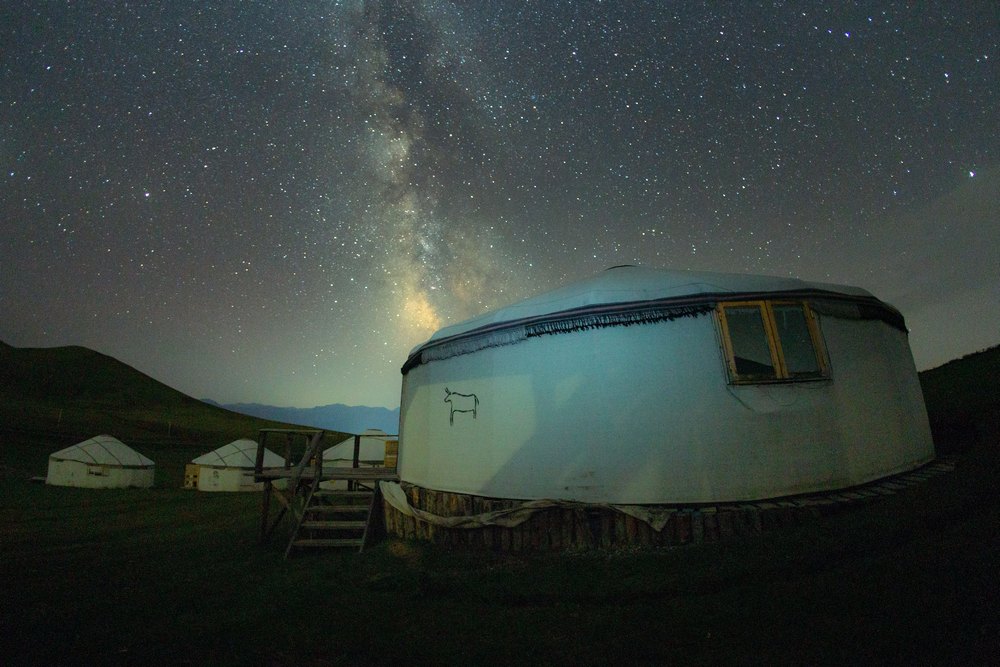
Bishkek has several good international hotels. Outside the capital, expect guesthouses, yurt camps, and seasonal stays with families. Comfort varies. The setting is more important than the amenities.
02 — Pastures and Lakes
Most of what Kyrgyzstan offers happens beyond Bishkek. Song Kol sits at 3,000 meters, ringed by summer pastures where herding families set up for the season each June. The lake has no permanent settlement. In summer it fills with yurts, horses, and the kind of quiet that is hard to find anywhere else. Issyk-Kul is larger and lower, one of the world’s biggest alpine lakes, warm enough to swim in despite the altitude and surrounded by mountains on all sides.
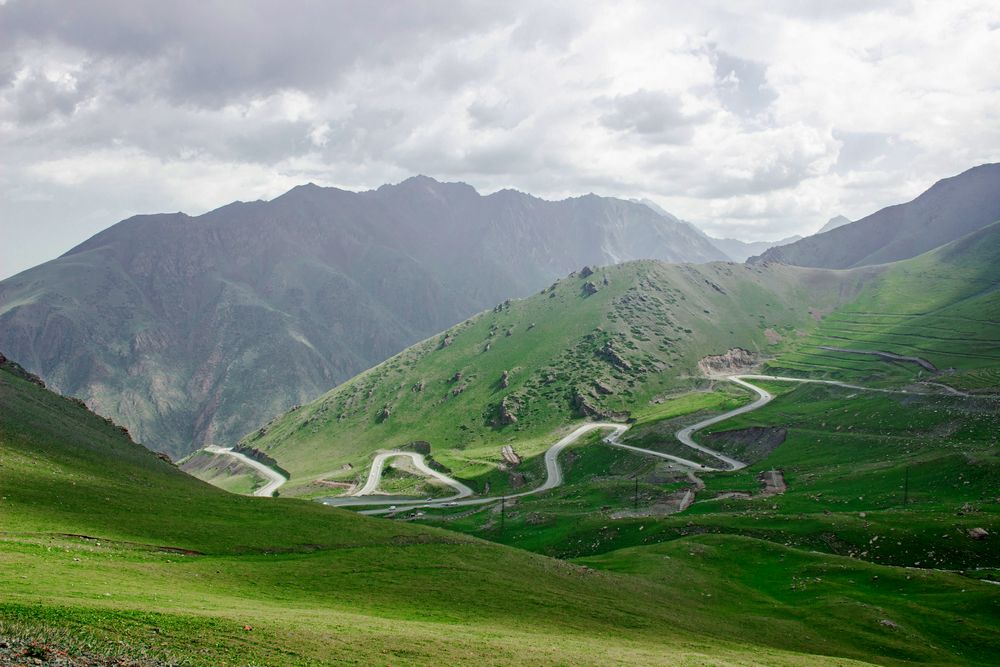
Between the two lakes and the high passes that connect them, Kyrgyzstan’s landscape does most of the work. Hiking, time on pasture, craft visits, and horse culture are the reason to come. Bishkek is where programs start. Everything else is why travelers remember the trip.
03 — Getting Around
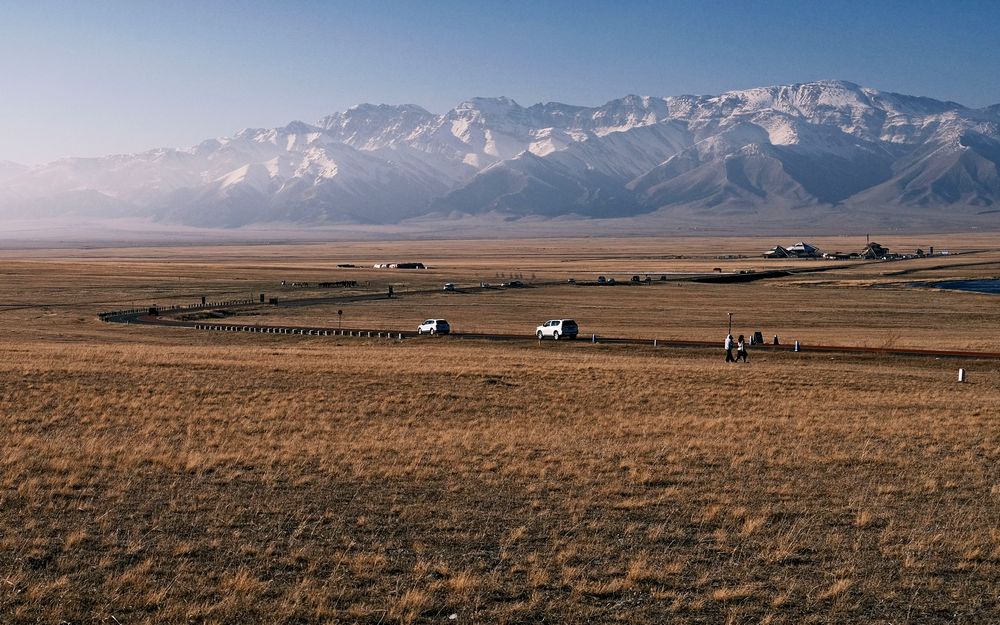
Road travel is central and often part of the experience itself. Higher elevations close with weather. Plan accordingly.
when to consider kyrgyzstan
Open landscape, horse culture, and time with families whose way of life hasn’t changed as much as the rest of the region.
Kyrgyzstan pairs well with Uzbekistan’s cities and architecture, offering something entirely different. It also combines naturally with Tajikistan, where a program can cross from Kyrgyzstan’s highland pastures and herding communities into the Pamirs and along the Pamir Highway. It works as a standalone trip and fits into a broader Five Stans program either way.
We build programs here around experiences that take real local knowledge to arrange. That might mean time on high summer pastures with herding families, a close look at craft traditions that are still actively practiced, or getting into landscapes that most itineraries never reach. These are the kinds of details that make a Kyrgyzstan program worth doing with us specifically.
We also support the ambitious projects: travelers driving their own cars along the Silk Road for extended periods across multiple countries, needing everything from vehicle documentation and customs support to fixers on the ground, local guides, and accommodation along routes that aren’t standard. We’ve managed these logistics many times.
working on something?
If you’re developing a program here, we’re ready to talk.
More in Central Asia