
Central Asia
KAZAKHSTAN
steppe and scale
The ninth-largest country in the world, where the business capital and the political capital are a thousand kilometers apart and feel even further.
why kazakhstan
Kazakhstan covers 2.7 million square kilometers. The steppe runs for hundreds of kilometers without interruption and influenced nomadic culture across centuries.
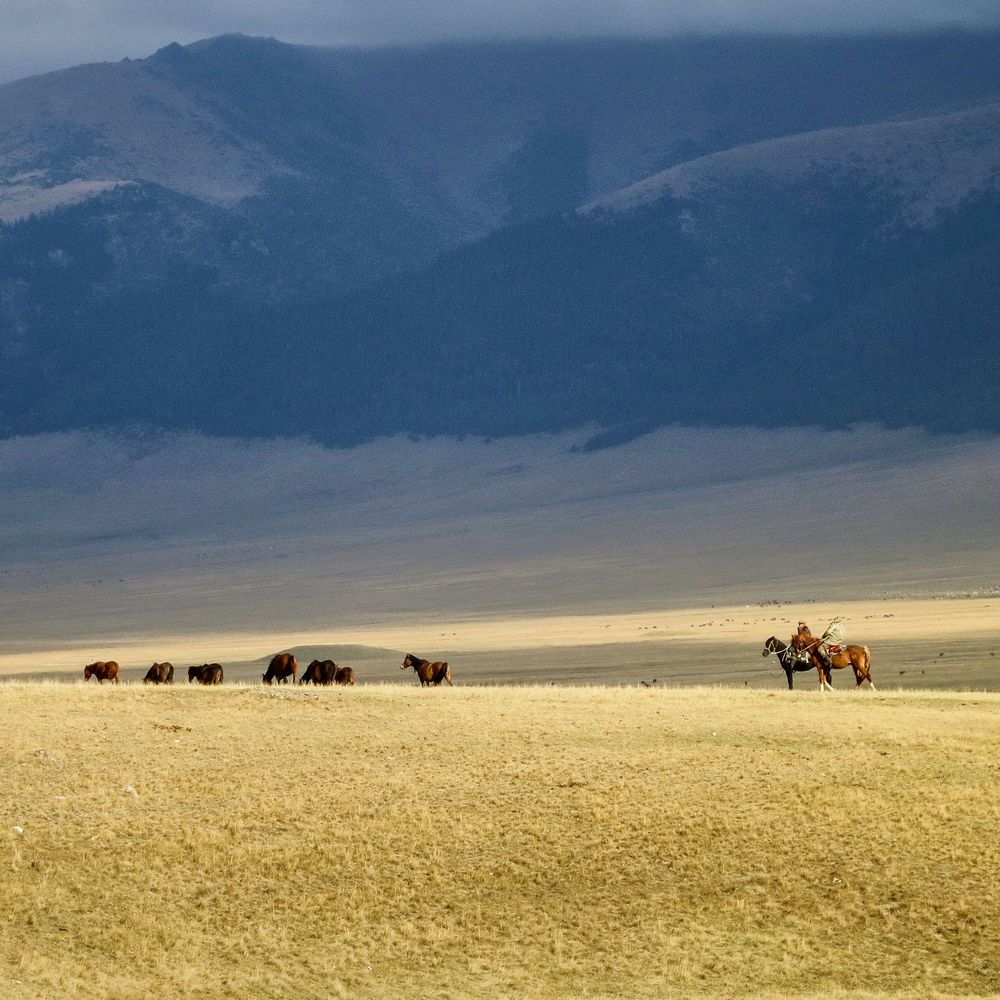
It still influences how people here understand space and distance. The Silk Road passed through but left few monuments compared to the cities farther south. What endured is geography: open steppe, the Tian Shan mountains rising in the southeast, deserts spreading west, canyons shaped by wind and time.
Today Kazakhstan is the wealthiest and most developed country in Central Asia, with the best infrastructure and strongest air connections. Two cities anchor the country in very different ways.
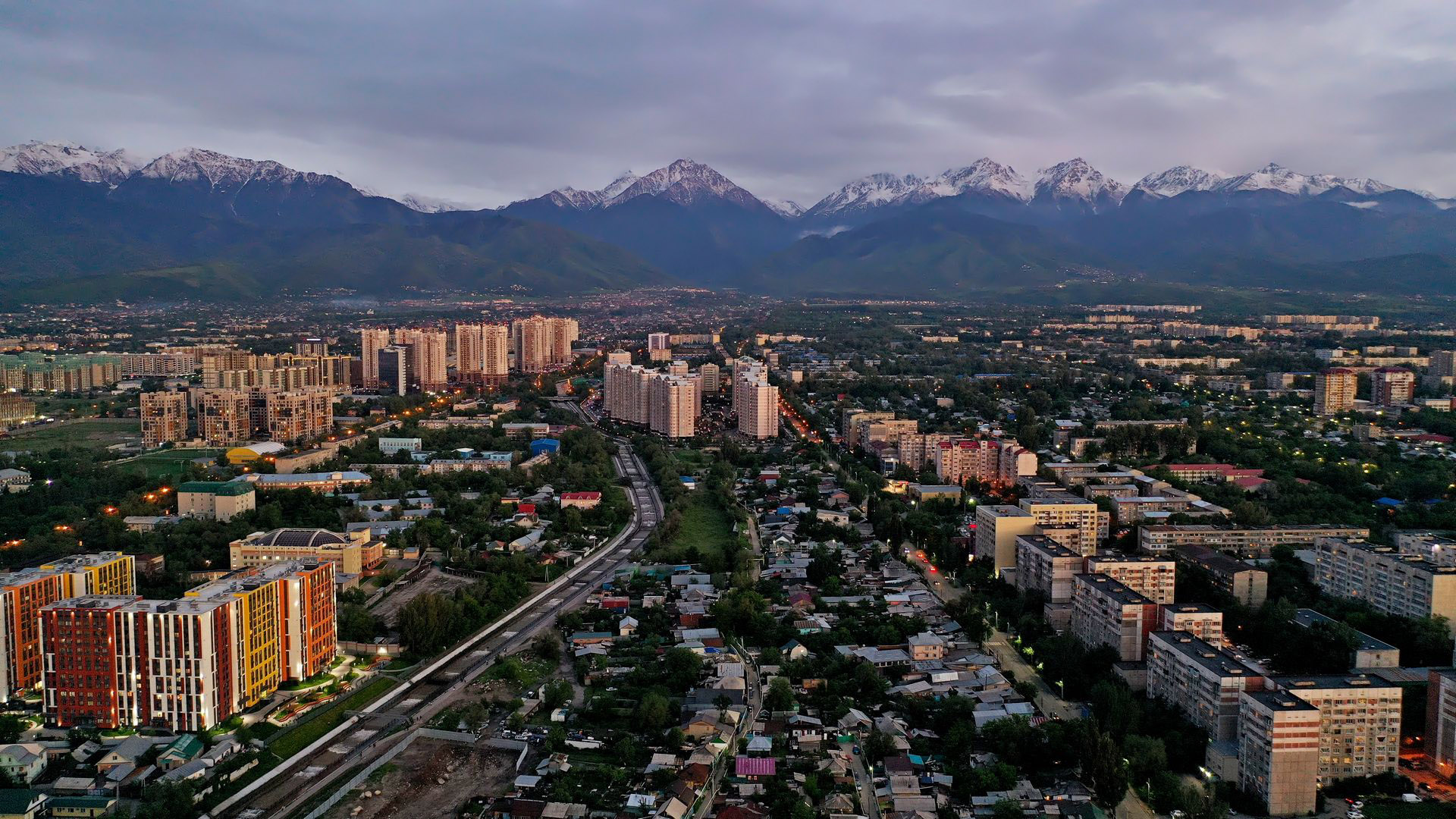
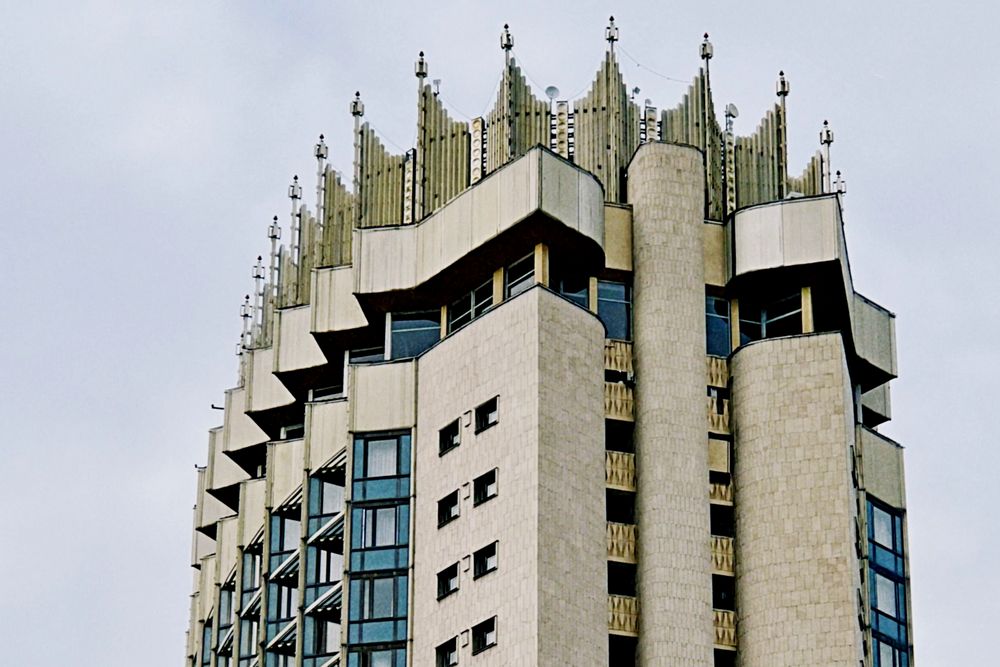
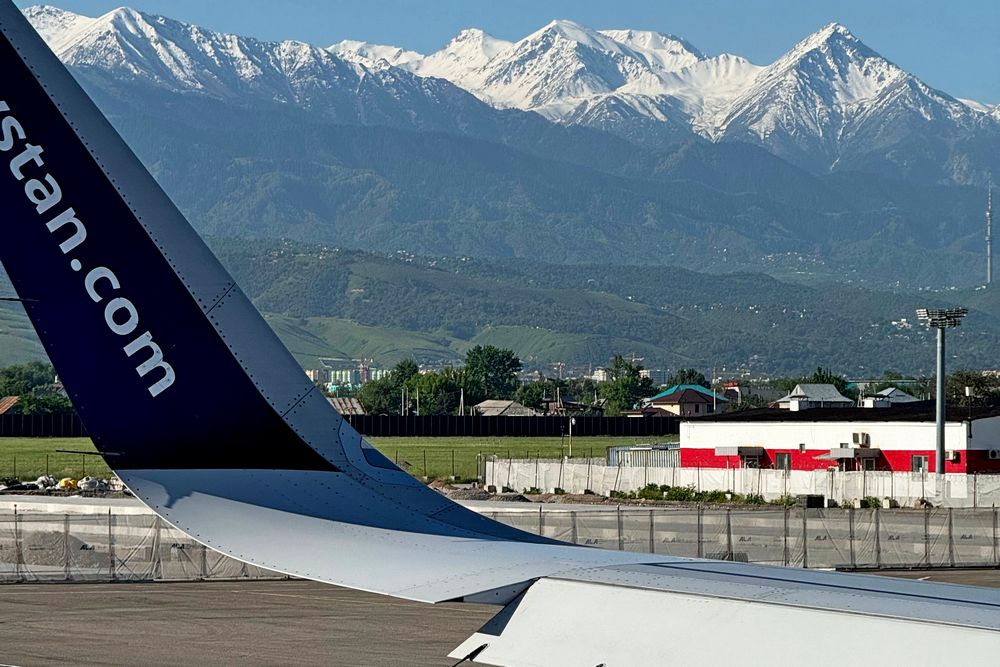
Almaty sits against the Tian Shan with tree-lined streets, cafés, contemporary art galleries and museums, and a restaurant scene finding its footing. Astana is the opposite: a purpose-built capital where national ambition is expressed through architecture and scale, designed to be read from a distance.
at a glance
What sets Kazakhstan apart
01
The largest country in Central Asia, spanning steppe, mountains, and desert.
02
Almaty: walkable, green, increasingly focused on food and contemporary culture.
03
Astana: national ambition made visible through architecture and scale.
04
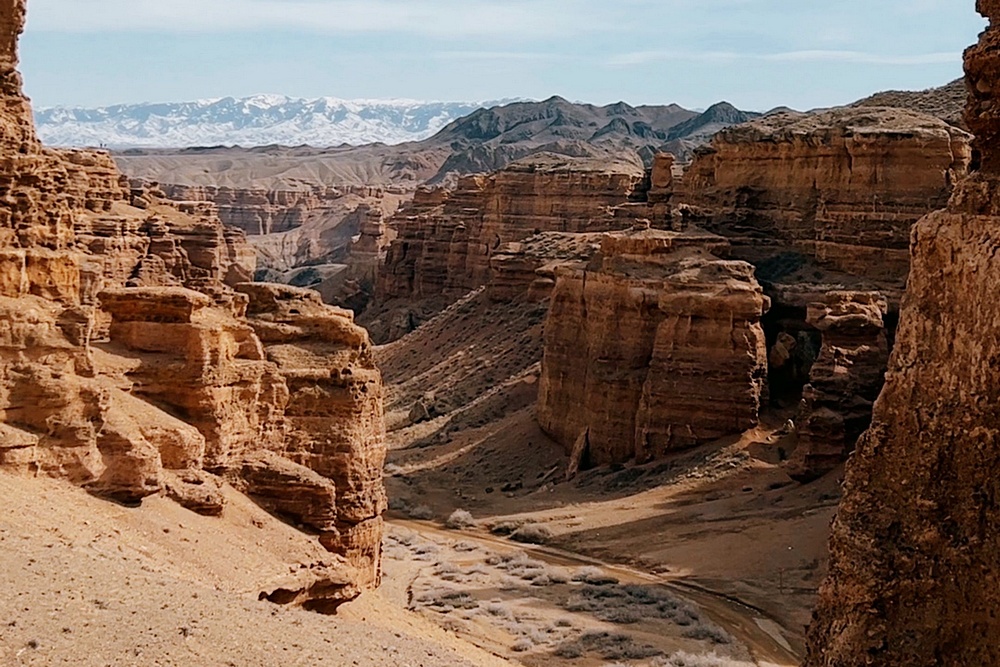
Charyn Canyon, Altyn Emel National Park, Mangystau: spectacular natural landscapes.
05
The practical gateway and anchor for Five Stans itineraries.
what kazakhstan requires
Distances here are genuine. Almaty to Astana is over 1,000 kilometers. Transitions between cities and natural areas take time, and itineraries should be built with that in mind rather than against it.
Kazakhstan works as a standalone destination with enough diversity to fill a full program. It also serves as an anchor: logistically and thematically. It has the flights to enter and exit the region. It balances historically dense destinations like Uzbekistan with something more open and contemporary.
on the ground
How MIR Works in Kazakhstan
We use Kazakhstan as both destination and gateway, and have been doing so for nearly four decades. It works as an entry point for Central Asia, the conclusion of a Five Stans journey, or a counterbalance when itineraries get too ancient-architecture-heavy. We know the logistics: flights, distances, what’s realistic. We know which natural areas are worth the drive and which need more time than most itineraries allow.
what to expect
Almaty: Panfilov Park and the wooden Zenkov Cathedral. The Green Bazaar. Kok-Tobe hill for views over the city. Then out to the mountains: Big Almaty Lake, hiking in the Tian Shan foothills.
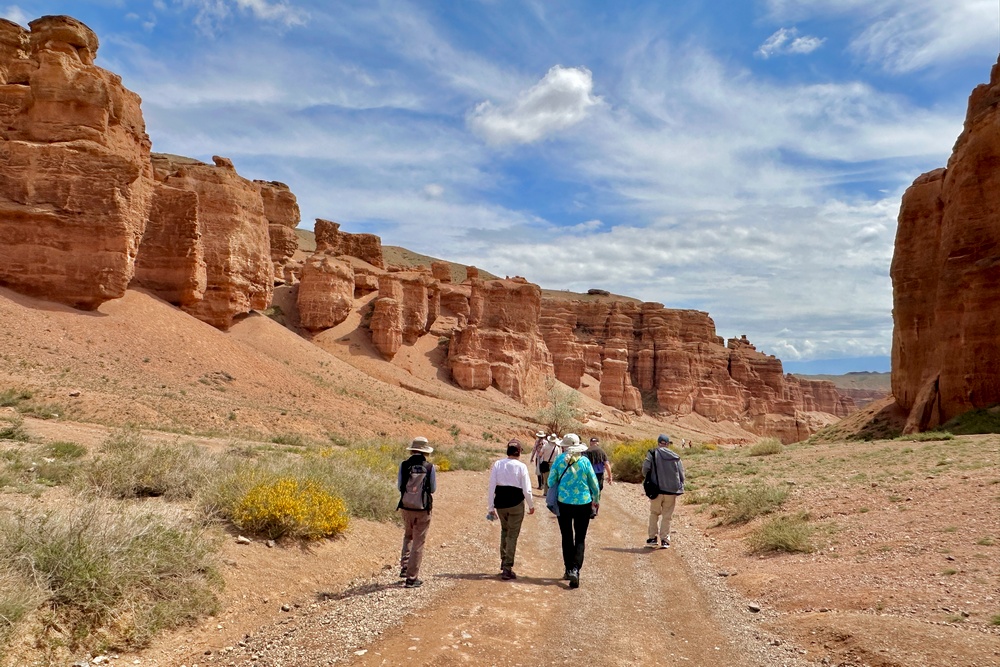
Charyn Canyon: sheer red rock walls cutting through desert terrain. Mangystau in the far west: mosques carved into limestone cliffs, desert formations unlike anywhere else in the region.
Altyn Emel National Park: singing sand dunes, wind-sculpted formations, wild horses across open steppe.
how programs work
Built around distance, landscape, and time.
01 — Where the Day Ends
Almaty and Astana have the best hotels in Central Asia, including the region’s most established upper-end properties. Outside the two main cities, hotels are functional and comfortable but more modest in amenities and service.
02 — Landscape and Scale
Charyn, Altyn Emel, and the mountains near Almaty are central to programs here. They need realistic routing and time built into itineraries. Distance here is part of the experience.
03 — Food and Culture
Almaty’s restaurant scene is developing fast, with chefs working with Kazakh ingredients and techniques that haven’t had much exposure until recently. Traditional Kazakh food centers on meat and dairy: beshbarmak (boiled meat over flat noodles), fermented mare’s milk, smoked horse sausage.
04 — Getting Around
Domestic flights connect major cities. International flights from Almaty link directly to Bishkek, Dushanbe, Tashkent, and Samarkand, making Kazakhstan a natural hub for Five Stans itineraries.
when to consider kazakhstan
Scale, infrastructure, and a view of Central Asia that is contemporary and still evolving.
Kazakhstan anchors complex multi-country itineraries and stands well on its own. We build Kazakhstan programs around the country’s range, which is greater than most travelers expect. That might mean time in Almaty’s emerging food and arts scene, getting into remote natural landscapes in the far west that see very little international traffic, or combining mountain terrain and open steppe in ways that put the country’s geography into real perspective. Kazakhstan is also the most practical entry point for Central Asia, with the flights, hotels, and infrastructure to support programs of any complexity.
And if you’re planning something more ambitious, like clients who want to drive their own vehicles across Central Asia for weeks or months, requiring vehicle permits, border logistics, advance coordination, local support, and routing that actually works, we handle those programs regularly.
working on something?
If you’re developing a program here, we’re ready to talk.
More in Central Asia