
Regional Overview
THE SOUTH CAUCASUS
between two seas
Georgia · Armenia · Azerbaijan
Three countries between the Black Sea and the Caspian, each with its own language, faith, and history, and each more interesting when seen alongside the others.
why the south caucasus
Three languages, three alphabets, three distinct cultures: all within a few hours of each other.
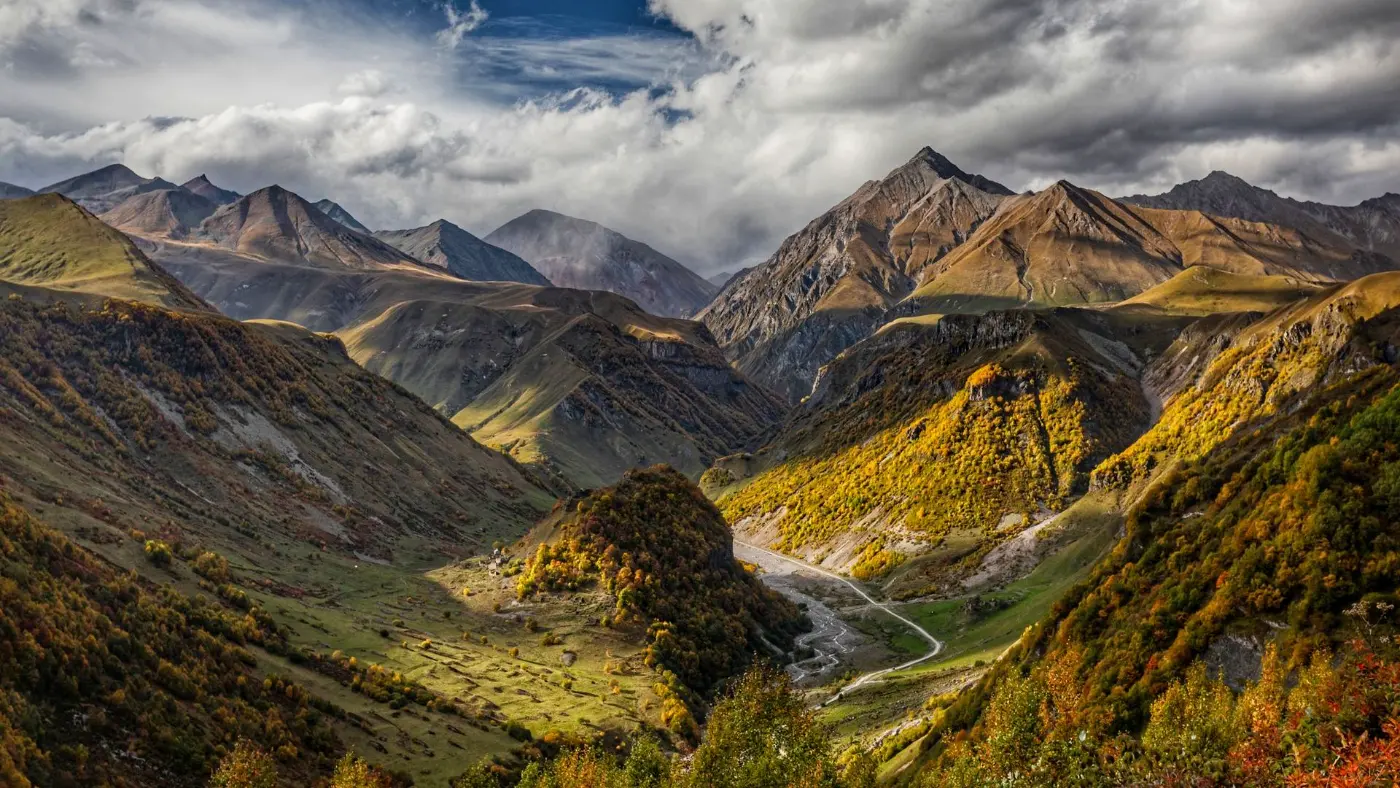
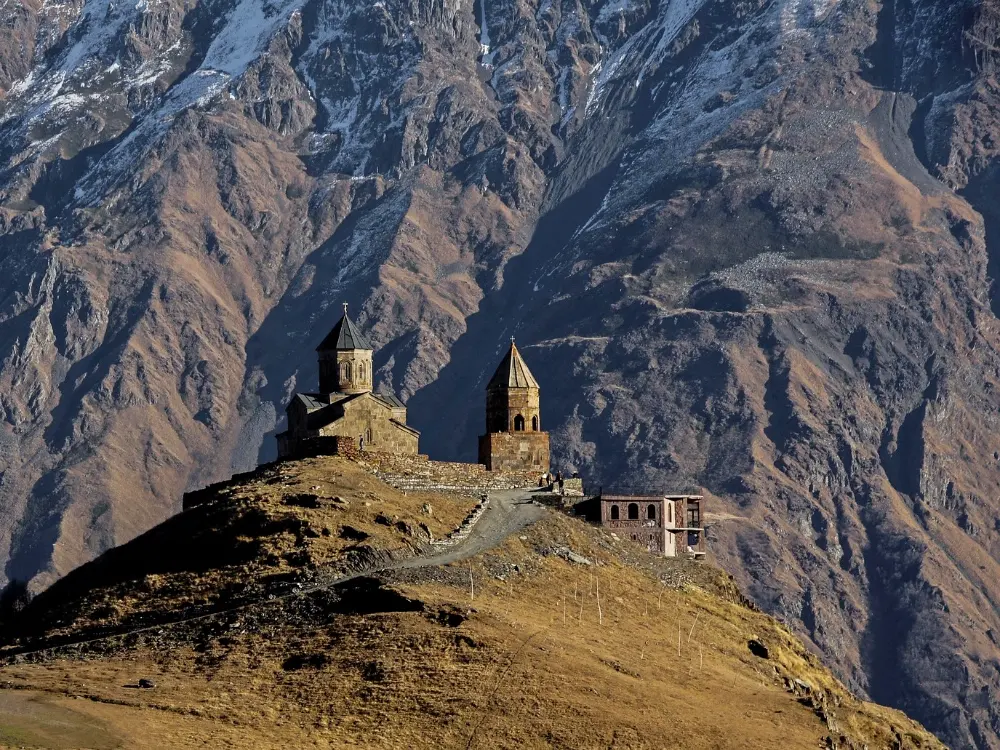
Georgia, Armenia, and Azerbaijan sit between seas and mountains in a region that has never been peripheral. Trade routes passed through. Empires contested it. Christianity took root in Armenia in 301 AD and in Georgia shortly after. Islam arrived later in Azerbaijan, built over older Zoroastrian traditions.
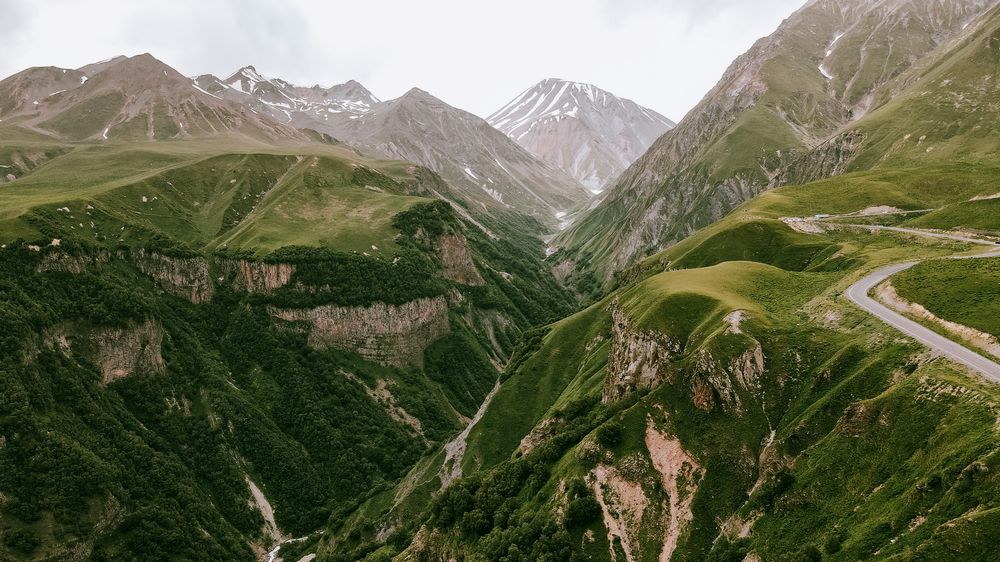
The Caucasus Mountains run through the region and define it. They created valleys where languages and traditions survived occupation and kept villages remote long after the cities changed hands. Roads here follow rivers and passes rather than straight lines.
The case for visiting all three is contrast.
three countries
The case for all three is contrast.
Georgia
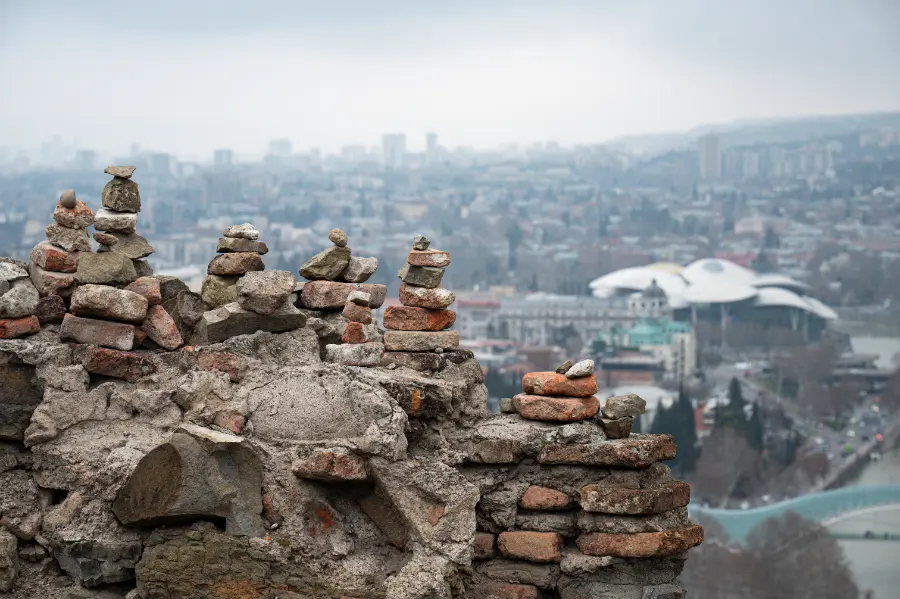
Tbilisi is open and conversational, with a creative culture built around artists, winemakers, and a food and wine scene that has come into its own in the past decade.
Armenia
Yerevan is purposeful and compact, with wide boulevards and the Cascade rising above the city center.
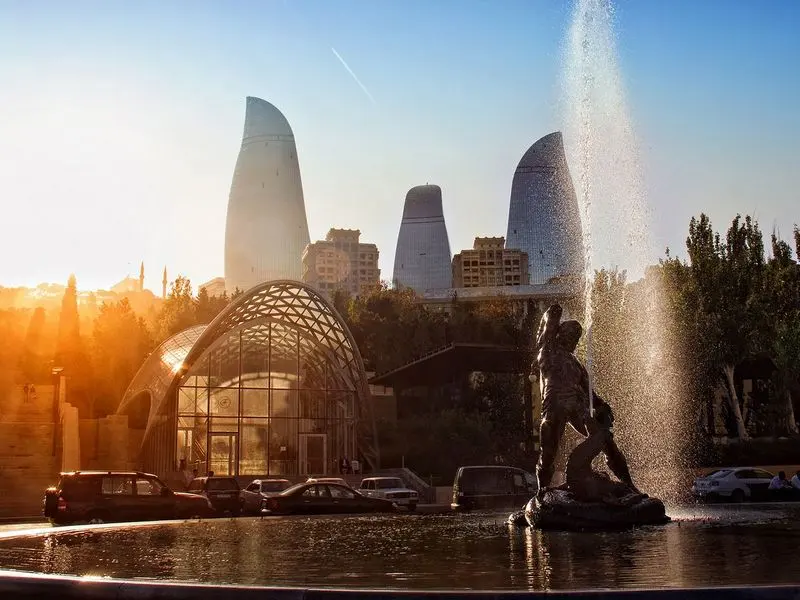
Azerbaijan
Baku faces outward, combining its medieval Old City with oil-era confidence, a contemporary skyline, and one of the great carpet museums in the world.
at a glance
South Caucasus at a Glance
01
Three countries that each stand well on their own and are most commonly planned as a connected itinerary.
02
Christianity in Armenia and Georgia dating to the 4th century; Zoroastrian heritage and Islamic tradition in Azerbaijan.
03
Wine in Georgia made the way it has been for 8,000 years; brandy in Armenia with a reputation stretching back over a century.
04
Mountain regions, Black Sea coast, Caspian shore, and Silk Road routes all within range.
05
A natural western entry point for Silk Road journeys continuing into Central Asia’s Stans.
what the region requires
Georgia and Armenia connect easily overland. Azerbaijan connects with Georgia by road, rail, and air. Good programs give each country enough time while taking advantage of what links them.
Ten days to two weeks covers the three capitals and their key regions. Three weeks allows time to go well beyond the capitals.
on the ground
How MIR Works in the South Caucasus
MIR has worked across all three countries since the 1980s, approaching them as a connected region from the beginning. We know the roads, the border crossings, the guides, and how to build programs that work whether a traveler is coming for one country or all three.
what to expect
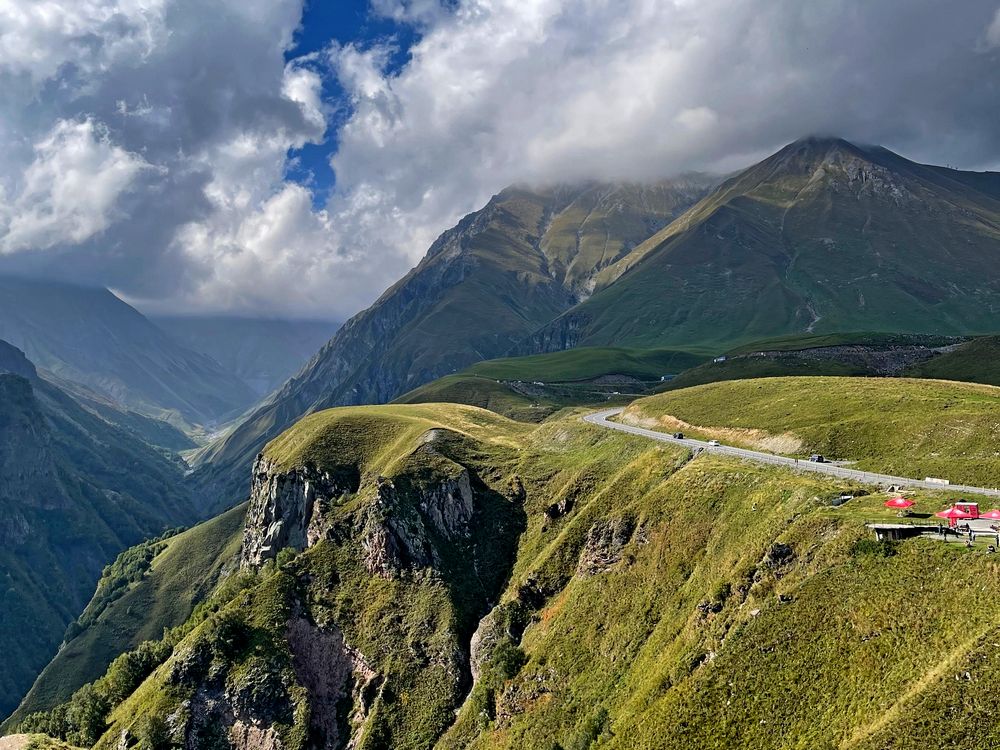
01Georgia
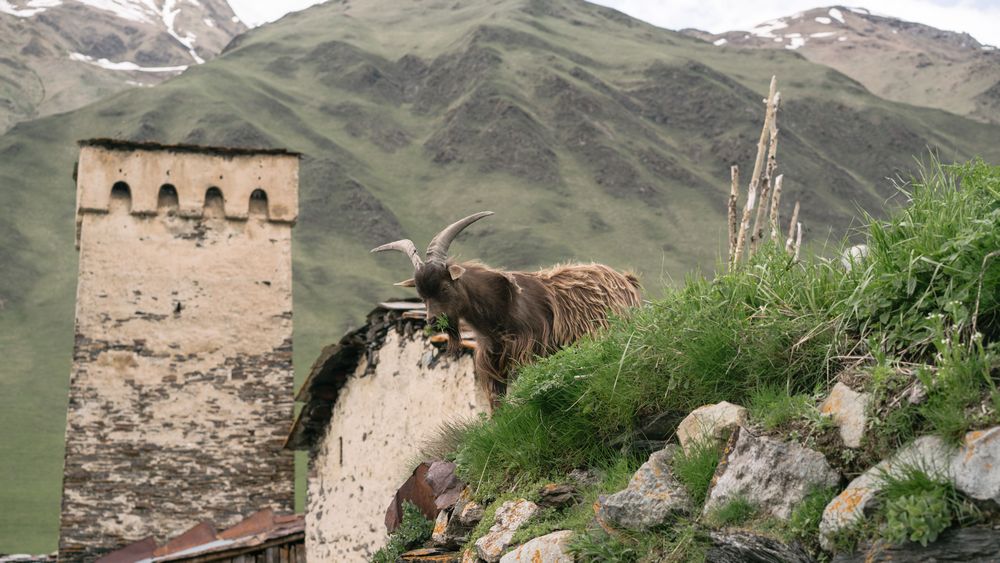
Tbilisi’s old town and its creative neighborhoods, highland villages in Svaneti and Kazbegi, ancient cave cities, wine regions producing amber-hued natural wines from Georgian varieties like rkatsiteli and mtsvane.
02Armenia
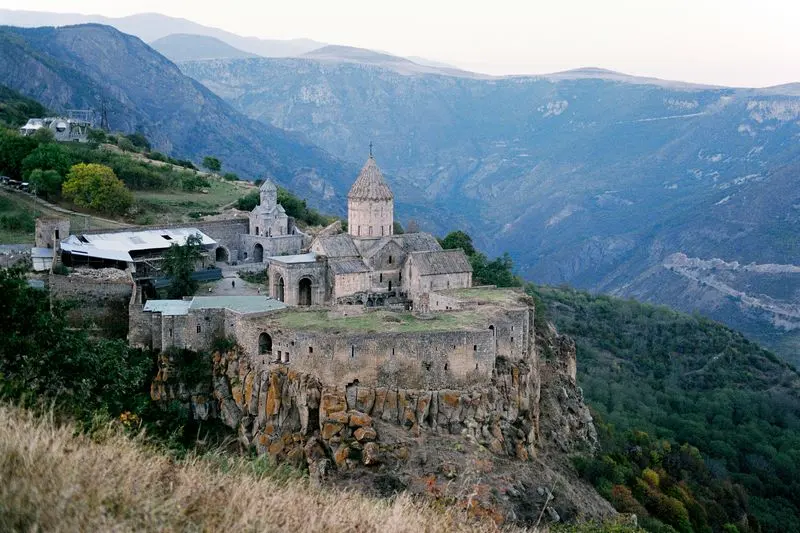
Yerevan as a base, with the Cascade and Republic Square at its center, monasteries on cliffs across the country, cooking in village homes, small winemakers working with indigenous Armenian grapes.
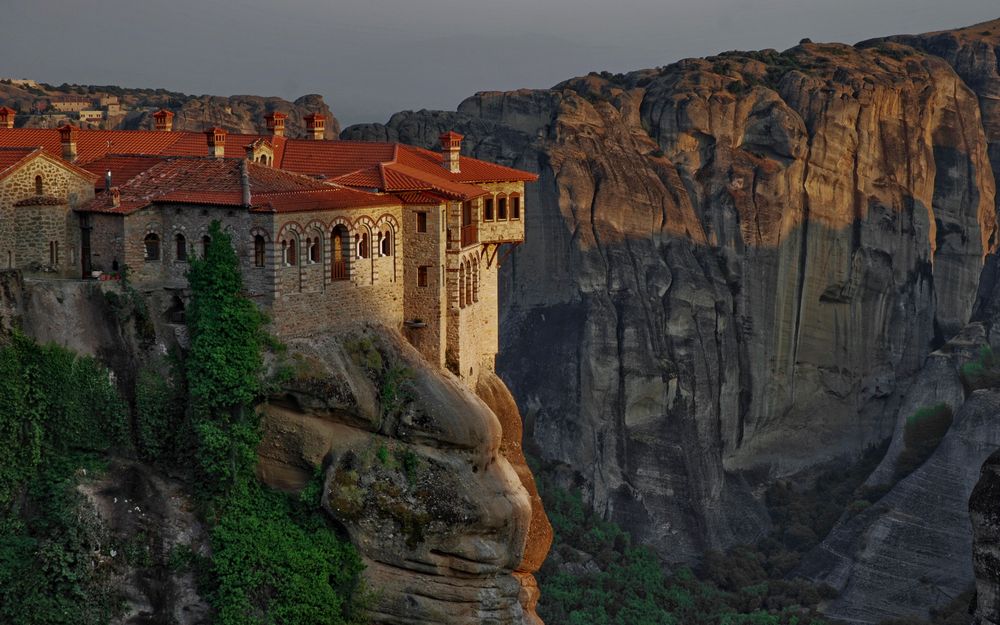
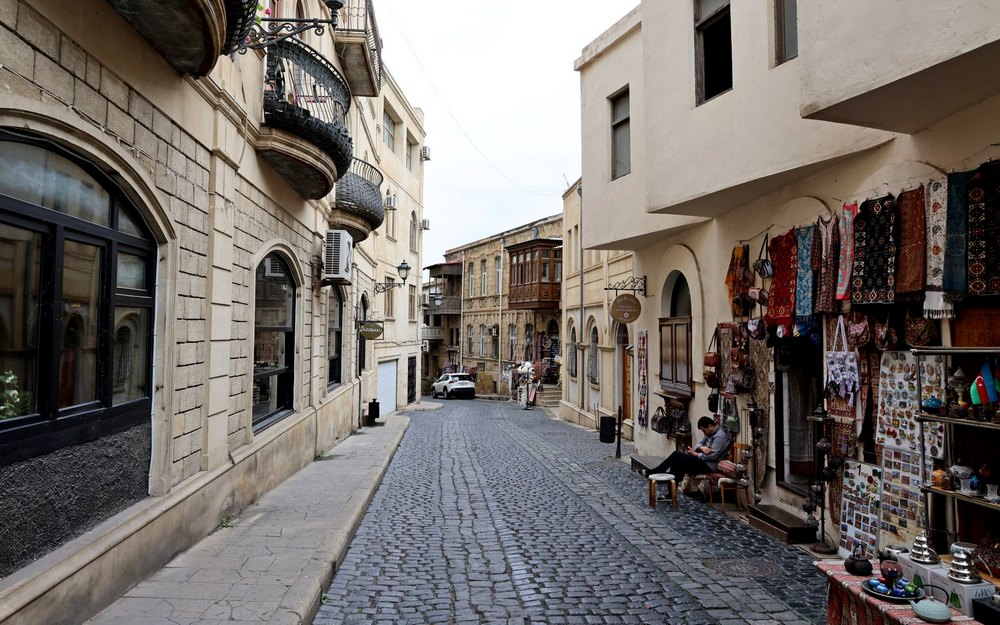
03Azerbaijan
Baku’s Old City walls, oil-era boulevards, the Heydar Aliyev Center, the National Carpet Museum with its remarkable collection of Azerbaijani weaving, and mountain towns like Sheki with its frescoed khan’s palace.
Where the Day Ends
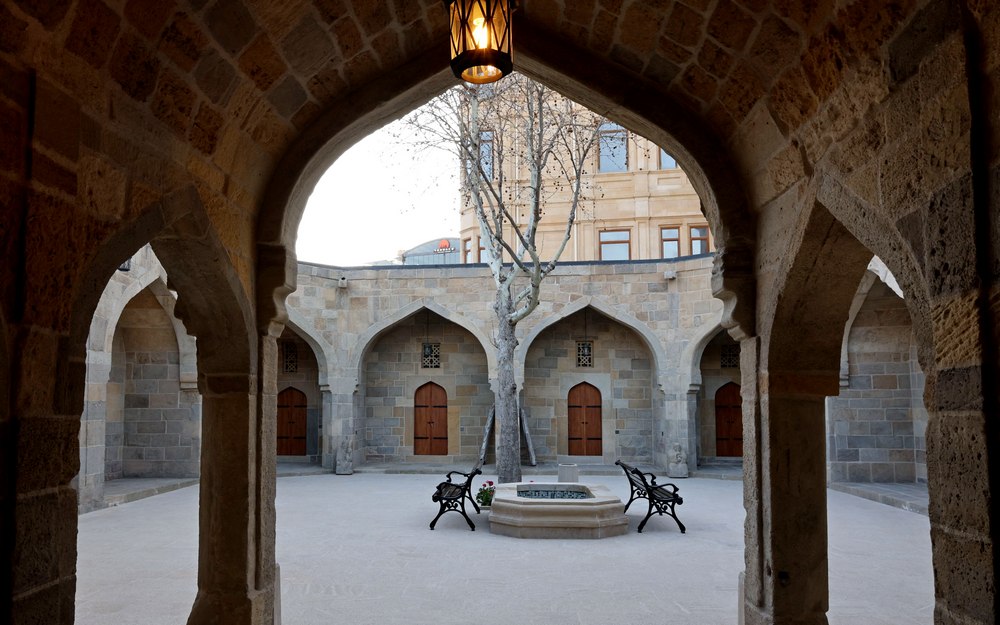
Georgia and Azerbaijan have the most developed upper-end hotel options in the region, with Tbilisi and Baku both offering design-focused and international-standard properties. Armenia’s best accommodation is concentrated in Yerevan, with a growing collection of heritage boutique hotels in Dilijan and the northern regions near the Georgian border.
Outside the capitals, accommodation is predominantly small and locally run, with standards that vary but hospitality that doesn’t.
Getting Around
Overland connections from Azerbaijan to Georgia and on to Armenia are well established. Most programs travel by private vehicle, which allows for stops at roadside monasteries, villages, and viewpoints along the way. Georgia and Azerbaijan also connect by train and air.
Tbilisi and Baku both fly directly to Tashkent and Almaty, making the South Caucasus a natural western entry point for Silk Road programs extending into Central Asia’s Stans.
when to consider the south caucasus
A compact Silk Road journey through three of the most individual cities in the world.
Georgia, Armenia, and Azerbaijan each work as stand-alone trips and are most often planned together. The three countries make for a compact Silk Road journey that covers early Christianity, ancient wine traditions, distinctive architecture, and three of the most individual cities in the world. Four decades of work across the South Caucasus means we know the region at a level that takes years to develop. That’s what we bring to every itinerary we build here.
We arrange the kinds of details that make programs memorable: private tastings with winemakers working in qvevri, access to museum collections not open to the public, dinners in settings that feel centuries removed, time with artisans who rarely work with visitors. We support the full range. A traveler recently spent 98 days crossing the region on horseback through all three countries. Another came by private jet, hit only the wow highlights, and finished in days. Whatever you’re planning, we can help.
ready to talk?
If you’re developing a program here, we’re ready to discuss it.
Continue across the Caspian