
Region
CENTRAL ASIA
the five stans
Kazakhstan, Kyrgyzstan, Tajikistan, Uzbekistan, and Turkmenistan: five countries across one of the world’s great overland regions.
why central asia
The Silk Road wasn’t a single route. It was a network of paths connecting China, Persia, the Mediterranean, and the Indian subcontinent, and Central Asia was its center.
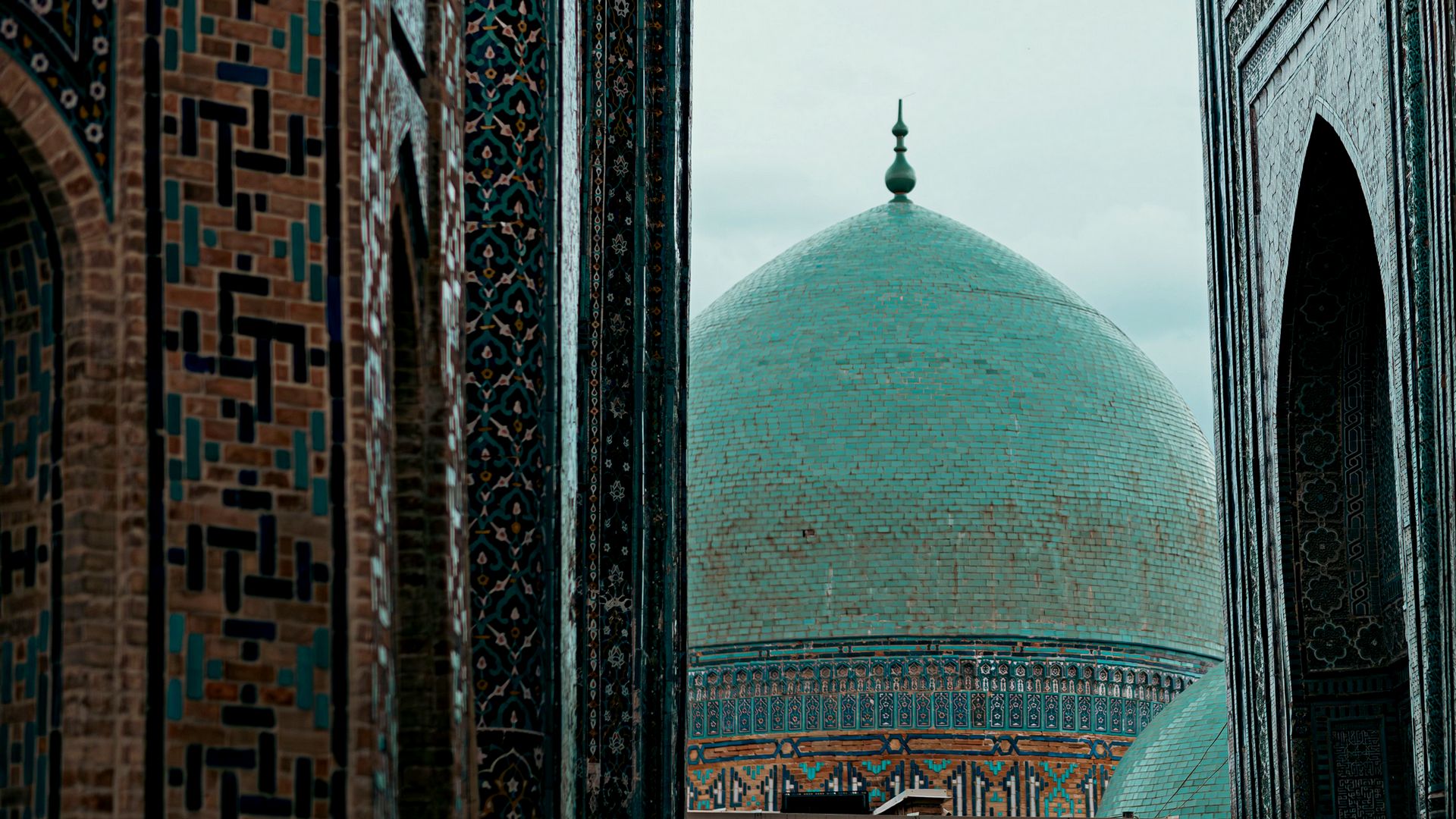
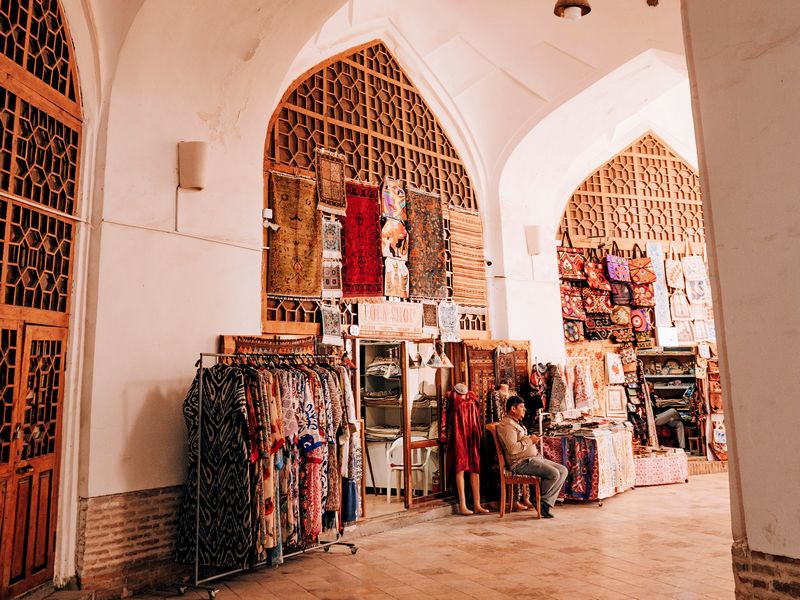
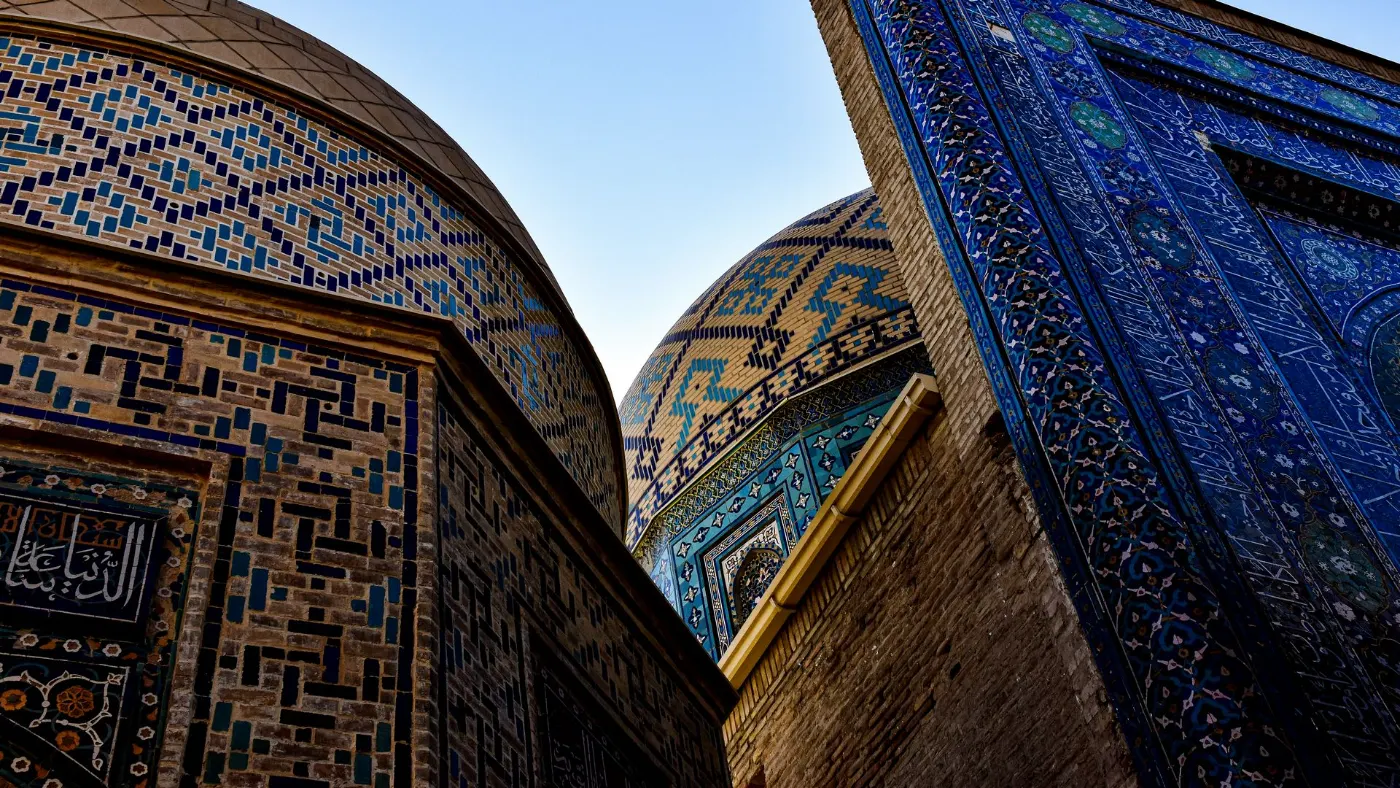
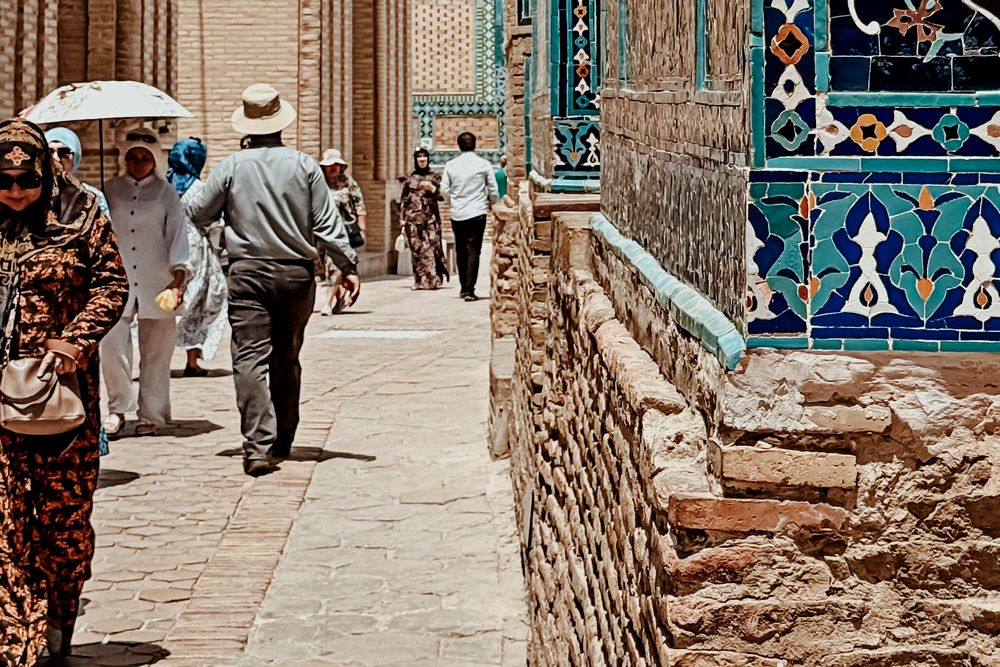
Cities grew where trade and knowledge intersected. Samarkand, Bukhara, and Khiva were not just stops on a route: they were destinations in their own right, where scholars worked, rulers built, and ideas traveled alongside goods. That legacy is visible. Blue-tiled madrasas face public squares. Caravanserais are being restored. Bazaars still function the way they always have.
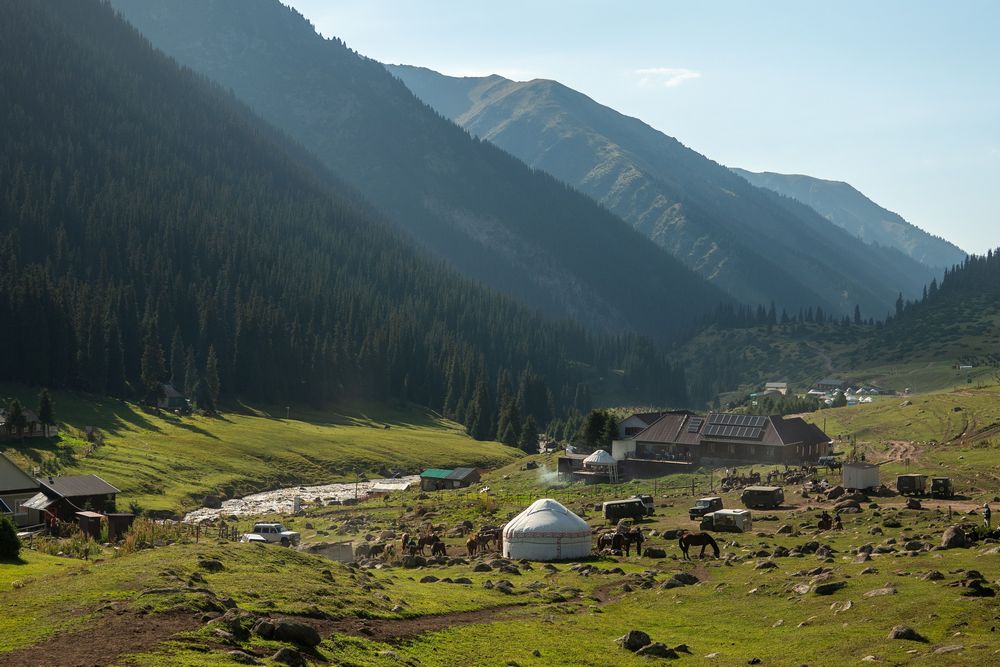
Beyond the historic cities, the region spreads out into steppe, desert, and some of the world’s highest mountains. Kazakhstan’s scale is oceanic. The Pamirs in Tajikistan push roads above 4,000 meters. Kyrgyzstan’s pastures fill with yurts each summer. Turkmenistan’s Karakum desert holds ruins that were world cities a thousand years ago.
Each of the five countries offers enough to justify a trip on its own. Taken together, they form an overland journey that very few regions can match.
five countries, each distinct
Where do you want to go?
Silk Road cities that have been standing for millennia
Scale, steppe, and the region’s gateway
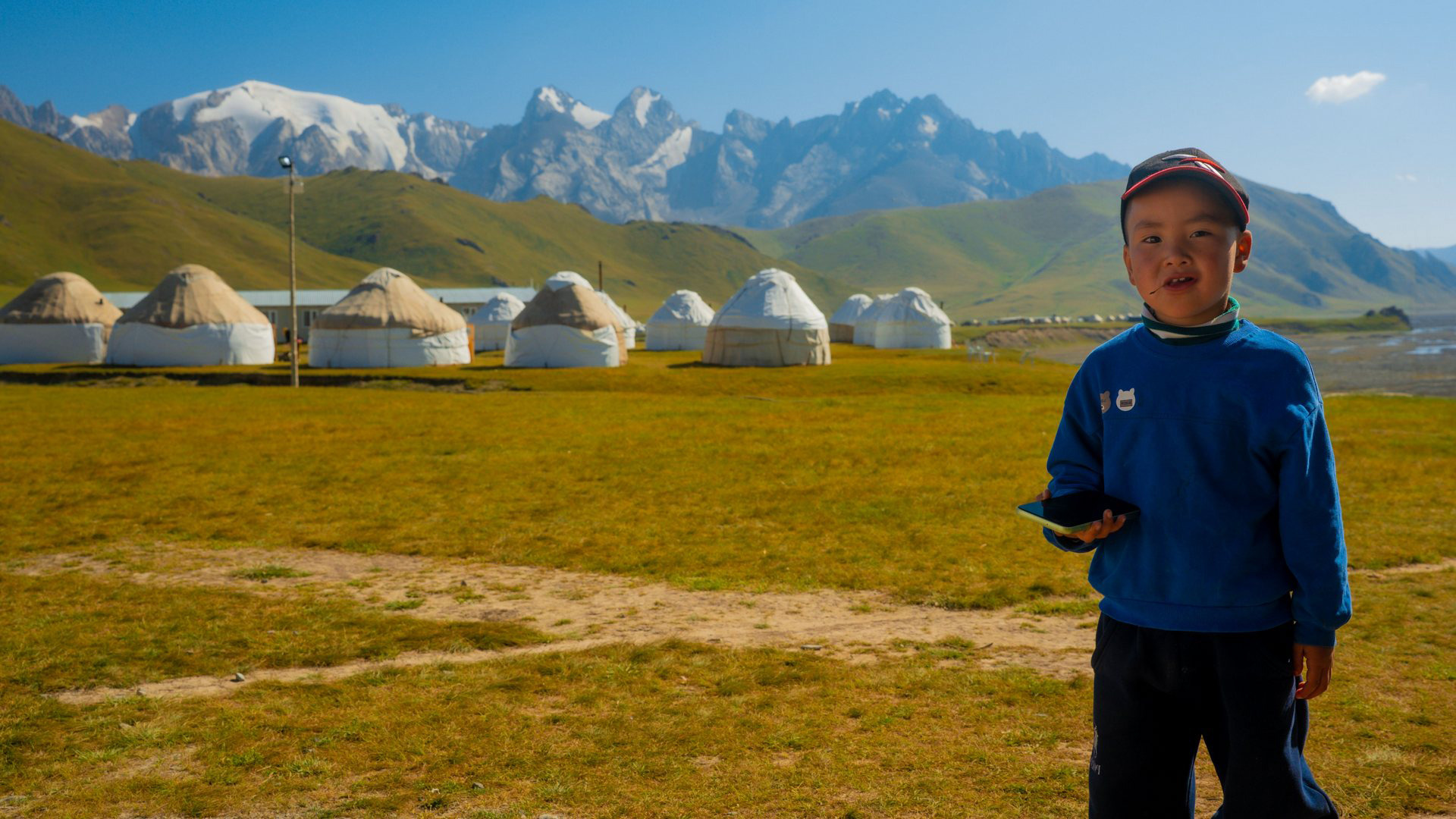
A nomadic year still measured in summer pastures
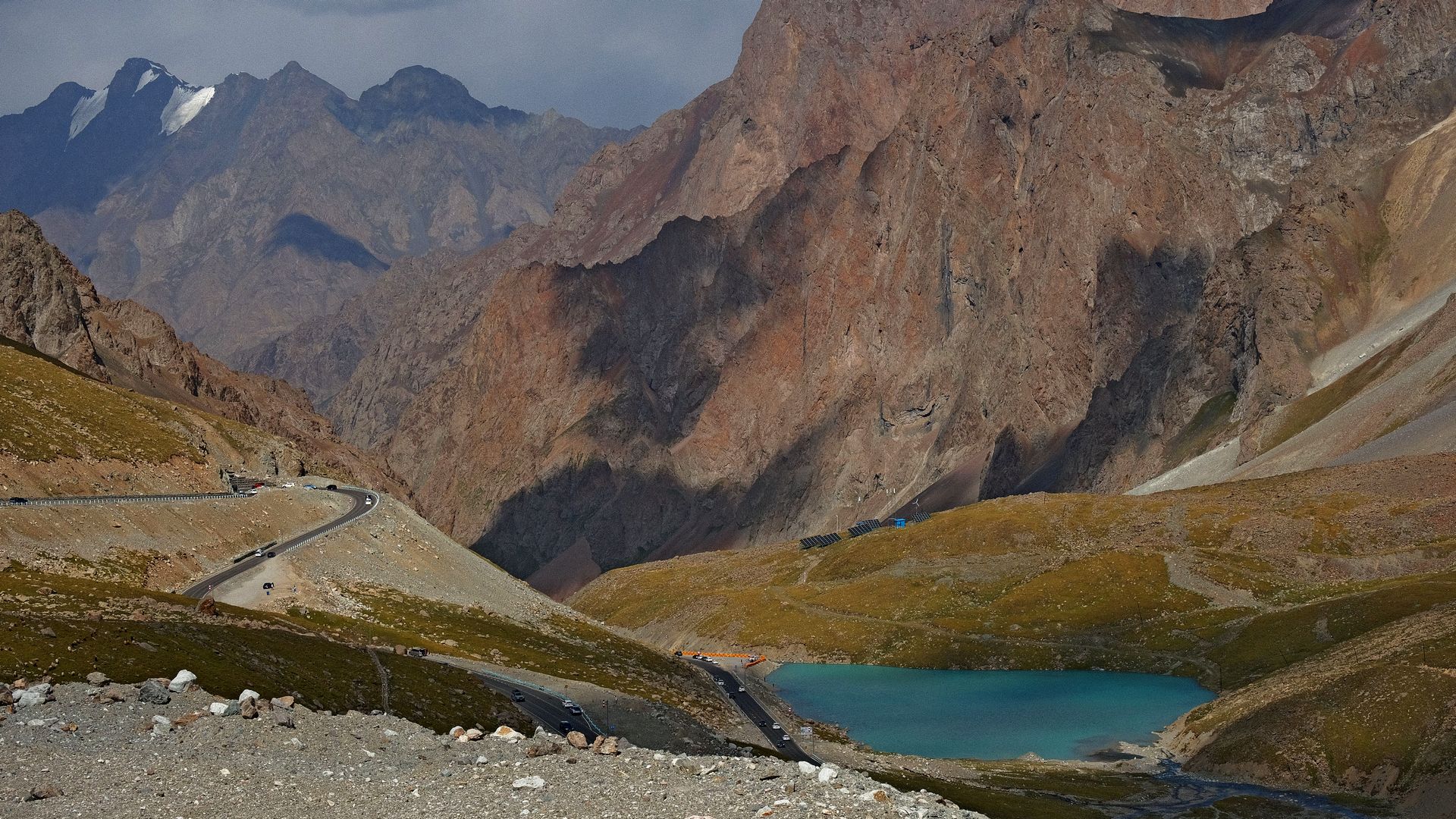
The Pamirs and Sogdian archaeology
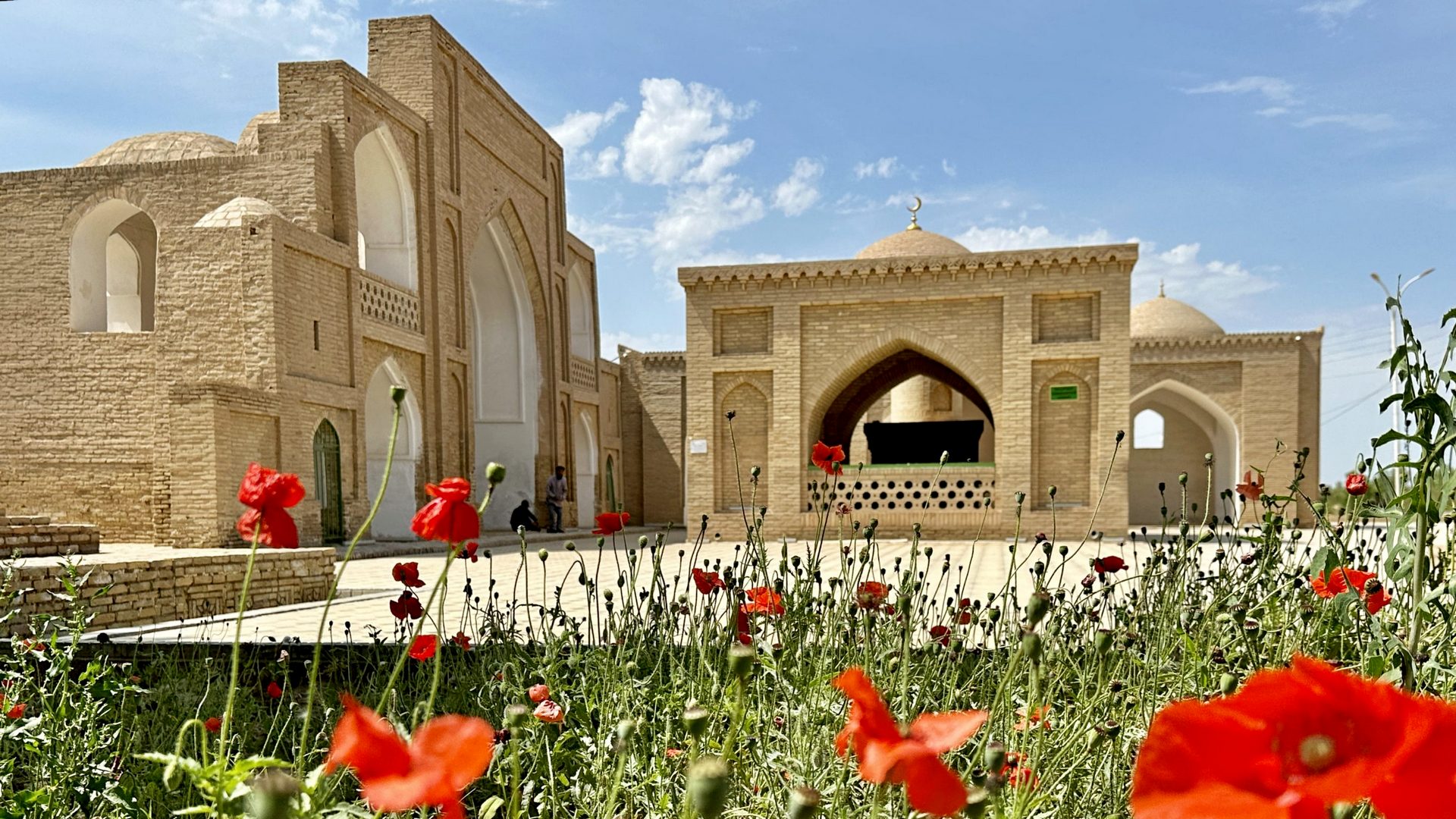
Marble, Merv, and the burning crater
at a glance
What sets the region apart
01
Five countries, each distinct: Kazakhstan’s scale, Kyrgyzstan’s high-altitude lakes, Tajikistan’s Pamirs, Uzbekistan’s cities, Turkmenistan’s ruins.
02
The world’s most intact Silk Road architecture, concentrated in Uzbekistan.
03
Semi-nomadic culture still practiced in Kyrgyzstan and parts of Kazakhstan.
04
High-altitude overland routes that are journeys in themselves.
05
MIR has operated here since the Soviet period, longer than almost any Western company.
what the region requires
There is too much to see in one trip, and the question is always what to leave out. Coming with clear priorities and genuine flexibility makes the difference.
Uzbekistan is usually the anchor. The cities are the reason most people come. From there, programs extend into Kazakhstan for scale and infrastructure, Kyrgyzstan for mountain culture, Tajikistan for archaeology and the Pamirs, and Turkmenistan for its singular Silk Road ruins.
Not every program needs all Five Stans. Some of the best focus on Uzbekistan alone, or two or three Stans with depth, rather than covering all five at speed.
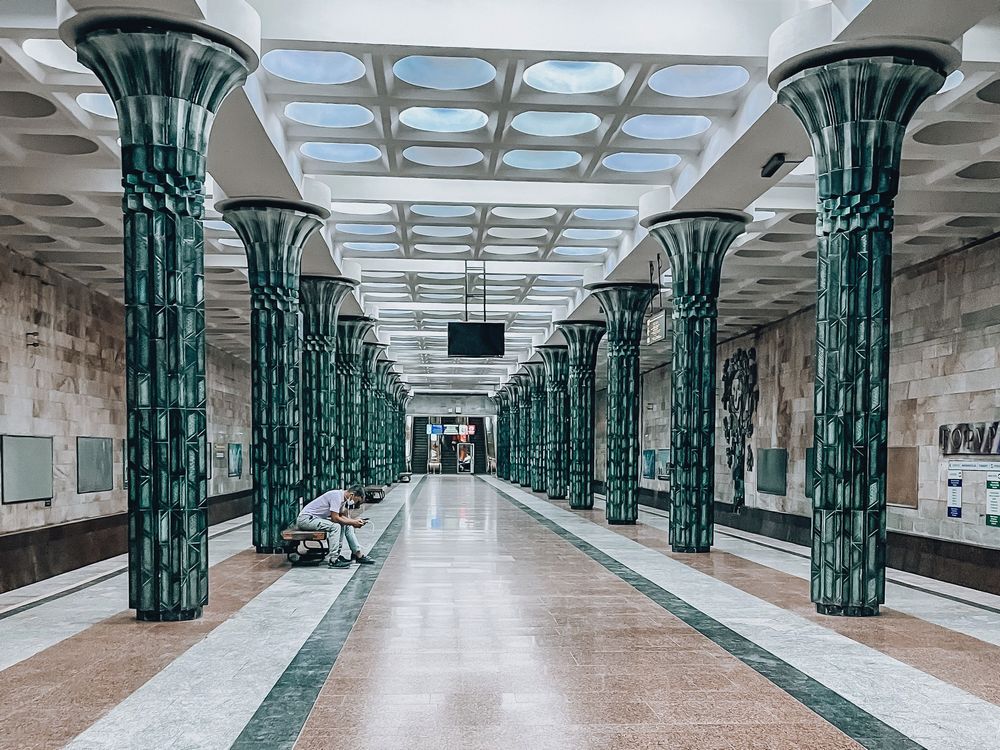
on the ground
How MIR Works in Central Asia
MIR began planning travel across Central Asia during the Soviet period, long before the region opened to independent travel. We built operations here through independence, through the years when infrastructure was unpredictable, and through the gradual development of the tourist infrastructure that exists today.
Uzbekistan is the center of our Central Asia work, where we have a long-standing representative office and a sister DMC. That base informs how we plan across the entire region.
We plan here with accumulated perspective: we know where the region has changed, where it hasn’t, and where the gaps between expectation and reality require honest management.
what to expect
Country by country
Uzbekistan
Samarkand, Bukhara, and Khiva. The Registan at dawn. Bukhara’s covered trading domes. Khiva’s inner city, where families live within the walls. Craft traditions still active in the Fergana Valley.
Kazakhstan
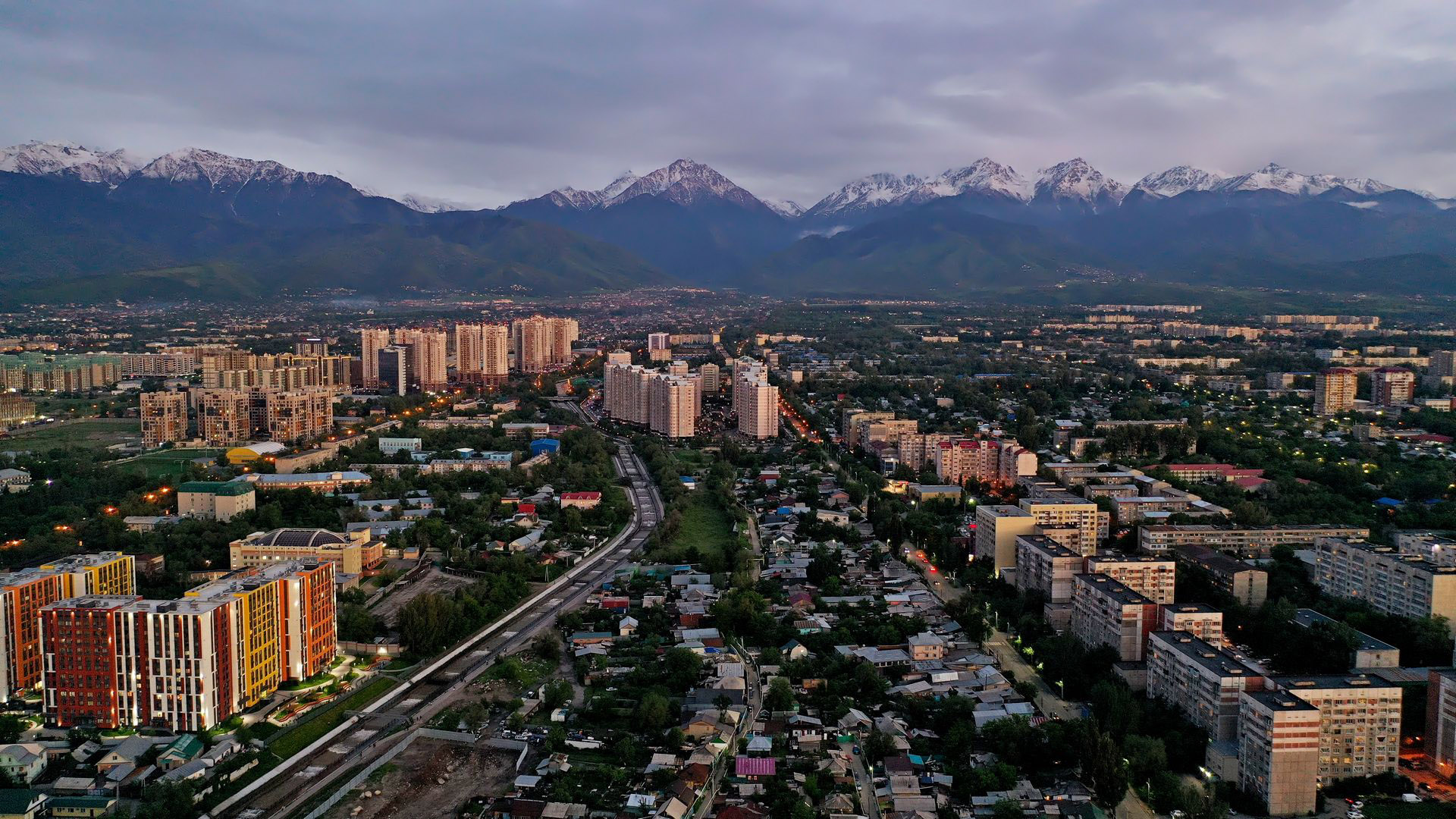
Almaty against the Tian Shan mountains, Astana’s architecture, Charyn Canyon, and steppe that runs to the horizon.
Kyrgyzstan
Summer pastures, yurt stays with herding families, kok-boru on horseback, felt-making, Song Kol at altitude.
Tajikistan
Sogdian ruins at Panjakent, the Fan Mountains, and the Pamir Highway for travelers prepared for it.
Turkmenistan
Merv, Nisa, and Kunya Urgench for those willing to navigate the visa process.
how programs work
Built around honest expectations and real routes.
01 — Where the Day Ends
Accommodation across Central Asia ranges considerably. Uzbekistan’s major cities have international hotels alongside smaller properties inside historic buildings. Kazakhstan offers the region’s strongest upper-end hotel infrastructure. Kyrgyzstan and Tajikistan rely more heavily on guesthouses and family stays. Turkmenistan’s best hotel options center on Ashgabat, with modest infrastructure elsewhere in the country.
Setting accurate expectations across the region is part of how we plan.
02 — Getting Around
High-speed rail in Uzbekistan connects Tashkent, Samarkand, and Bukhara efficiently. Overland travel by road remains central everywhere else, particularly in Kyrgyzstan and Tajikistan where the terrain is the destination. Kazakhstan’s domestic flights handle the distances its size demands.
The region connects westward to the South Caucasus through Azerbaijan and Georgia, both of which fly directly to Tashkent and Almaty. Many travelers combine the Five Stans with Georgia, Armenia, and Azerbaijan on a single Silk Road itinerary.
when to consider central asia
For travelers drawn to the Silk Road in its full scope.
Cities built for scholars, mountains that determined the course of trade, semi-nomadic cultures still intact, and a sense of distance that very few regions can offer. We have planned here longer than nearly any operator, and that history informs every program we put together.
We arrange the kinds of access that takes years to develop: private time in workshops where suzani embroidery and ceramics are still made by hand, visits to archaeological sites when the crowds are gone, evenings in settings that show what these cities were like centuries ago, connections to scholars and craftspeople who don’t usually work with outside visitors.
We also handle the ambitious programs. Clients driving their own vehicles across the Stans for months at a time, needing vehicle permits, border coordination, advance fixers, guides, and routings that work across multiple countries. We’ve designed these expeditions many times and know what they require.
working on something?
For partners developing programs here, we’re ready to discuss it.
Also from MIR DMC