
Central Asia
TAJIKISTAN
the high road
The most remote country in Central Asia, with Persian roots and mountains that mean it.
why tajikistan
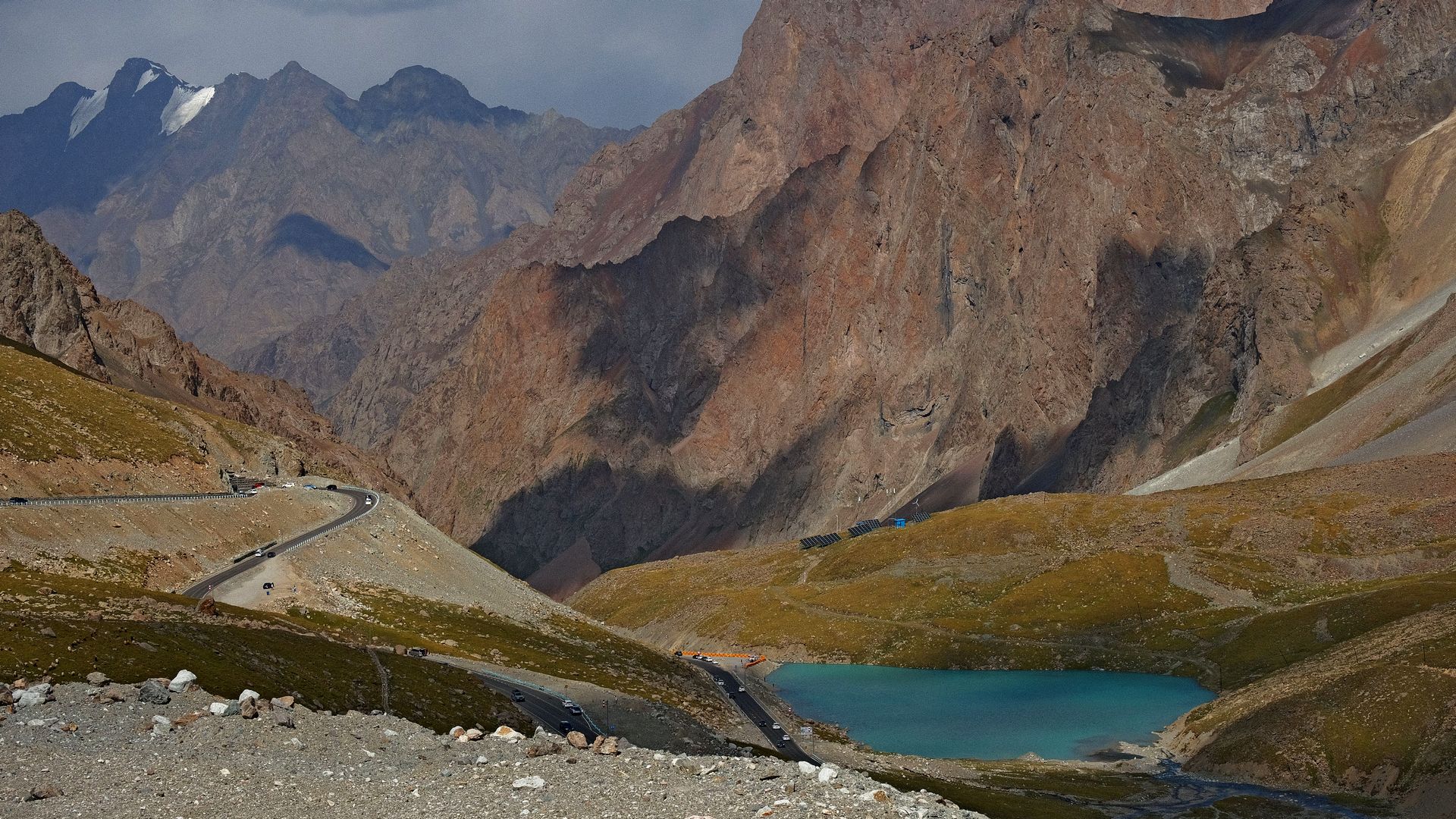
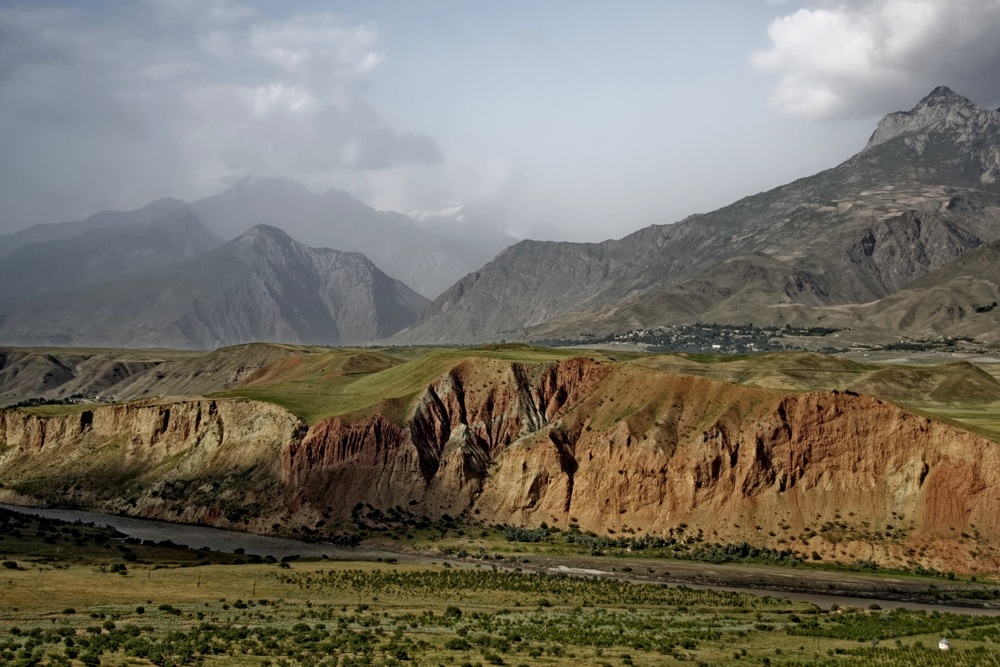
Ninety-three percent of Tajikistan is mountains. The Pamirs dominate the eastern half of the country with high plateaus, deep valleys, and roads that climb for hours before leveling off above 4,000 meters.
This is the least developed of Central Asia’s Five Stans. Infrastructure outside the main cities is limited, roads can be slow and rough, and services that work reliably elsewhere don’t always work here.
Tajikistan offers Persian language, Sogdian archaeology, and the Pamir Highway. Poetry connects people here to Rumi and Hafez. The archaeological sites near Panjakent preserve Sogdian civilization from before the Arab conquest, largely unknown outside academic circles.
In Five Stans itineraries, Tajikistan typically gets the shortest duration: a day trip to Panjakent from Samarkand, or an overnight in Khujand en route from Fergana Valley to Tashkent. But there’s more here for travelers who want it. Routes from Fergana Valley via Khujand and Iskanderkul lake to Dushanbe open up the interior. And the Pamir Highway offers mountain scenery with almost no one else on the road.
Tajikistan suits travelers who have already spent time elsewhere in Central Asia and want something more demanding.
at a glance
What sets Tajikistan apart
01
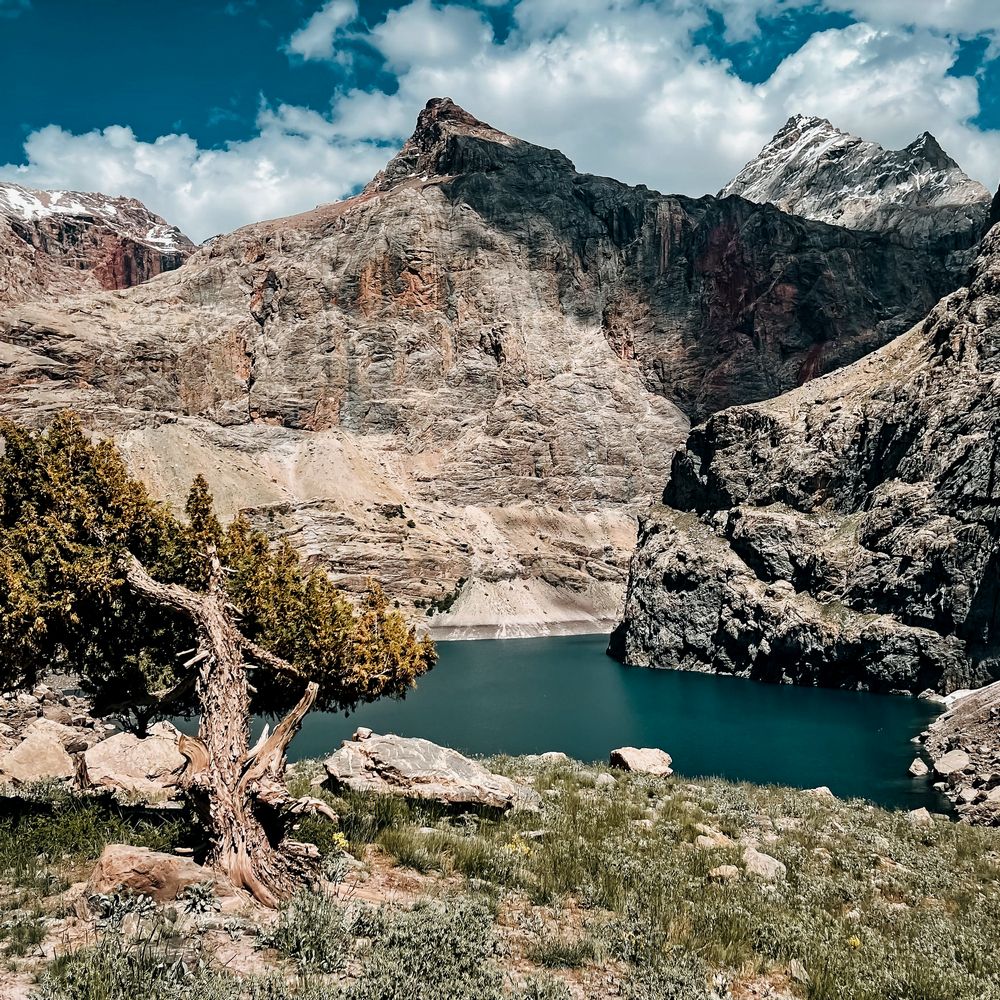
93% mountains, including the Pamirs and the high interior ranges.
02
The Pamir Highway: one of the world’s highest and most remote drives.
03
Persian cultural roots in language, poetry, and archaeology.
04
Panjakent: access to Sogdian ruins from the 5th to 8th centuries.
05
Typically receives shorter visits in Five Stans itineraries, but has more to offer.
what tajikistan requires
Infrastructure outside Dushanbe and Khujand is basic. Roads are slow. Accommodation in rural areas is simple.
Short focused visits work well: archaeology near Panjakent, the Fan Mountains and Seven Lakes, culture in Dushanbe. Longer journeys, especially the Pamir Highway, need travelers comfortable with basic conditions at altitude.
on the ground
How MIR Works in Tajikistan
We use Tajikistan to add depth for travelers who already know the region. Day trips from Samarkand to Panjakent for Sogdian archaeology. Overnight stays in Khujand when routing between Fergana Valley and Tashkent. Longer routes from Fergana Valley via Khujand and Iskanderkul lake to Dushanbe. Overland connections with Kyrgyzstan toward the Pamirs. We also work with southern Uzbekistan, including crossings near Termez.
For travelers returning to Central Asia, we plan Pamir Highway journeys with attention to season and pacing. We know this country well enough to know when to recommend it and when to talk a client out of it.
what to expect
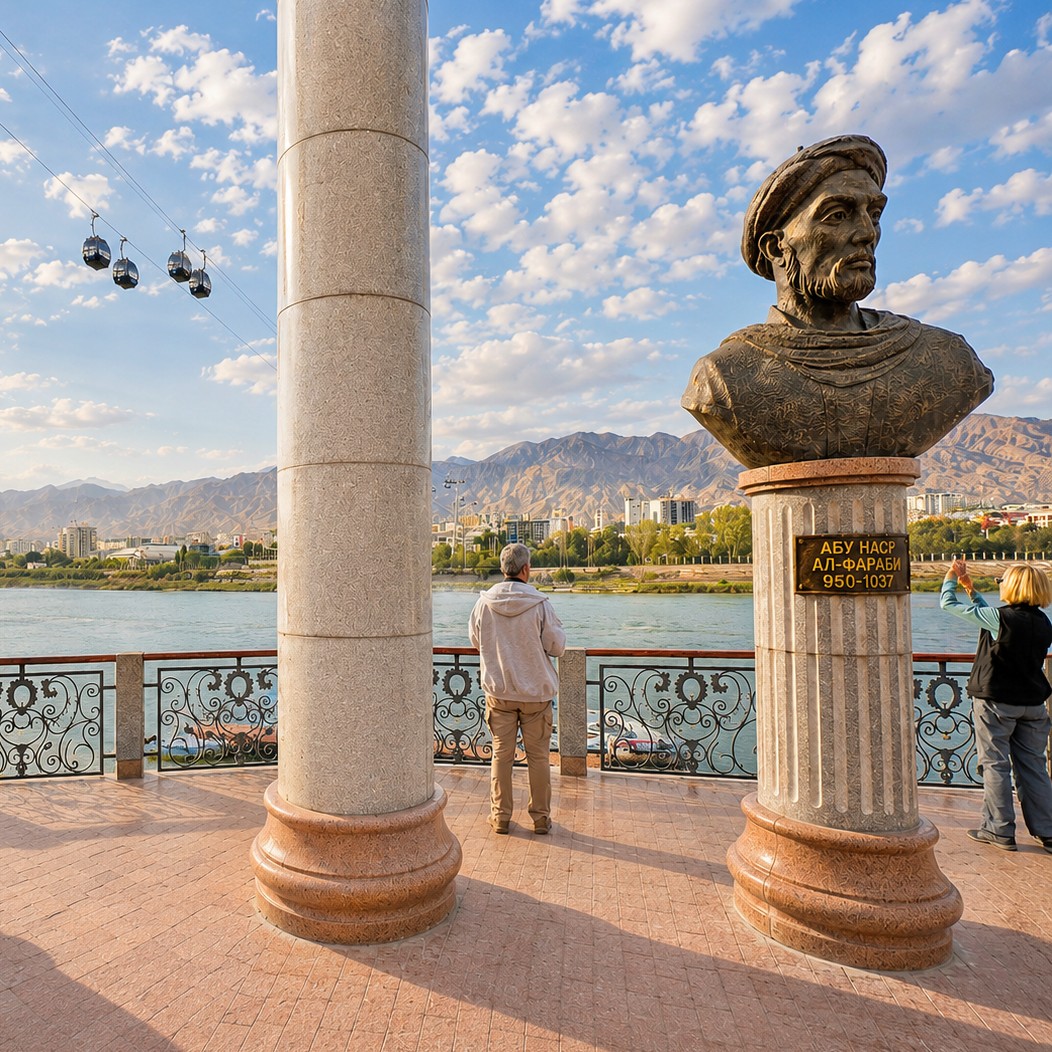
Dushanbe: a compact, leafy capital with the National Museum, Rudaki Park, and a relaxed pace that makes it a good base before heading into the regions.
Panjakent and nearby sites: Sogdian ruins from before the Arab conquest. Frescoes, artifacts, and foundations that reveal a pre-Islamic civilization.
The Fan Mountains: Seven Lakes, high passes, alpine scenery accessible without the extremes of the Pamirs.
The Pamir Highway: Dushanbe to Osh through high-altitude terrain. Days above 4,000 meters. Basic guesthouses. Mountain scenery with the road almost to yourself. Prepare for cold nights and long drives.
how programs work
Built around season, altitude, and pacing.
01 — Where the Day Ends
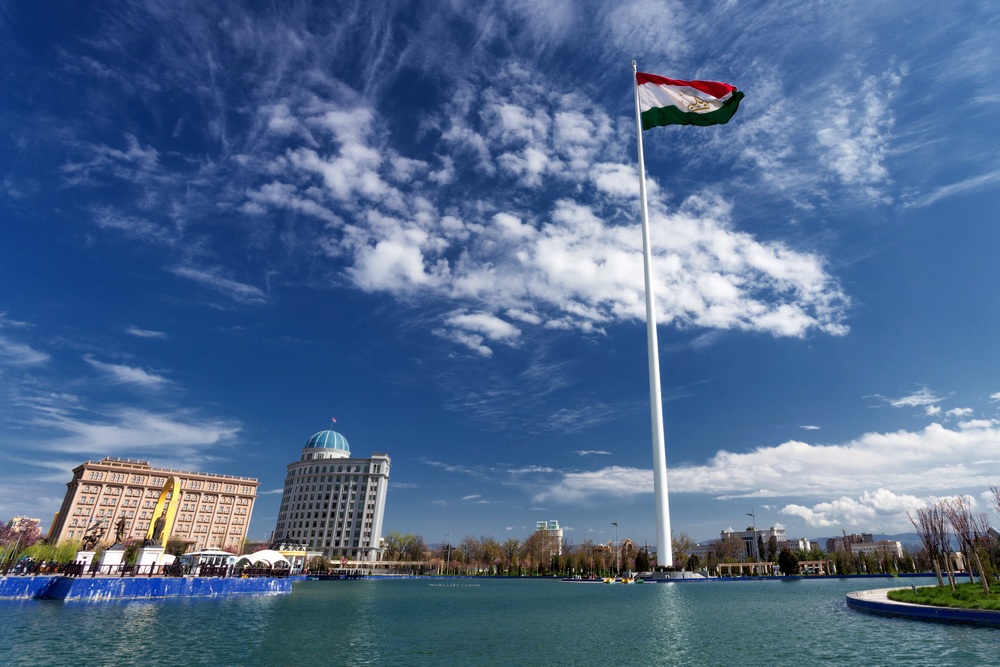
Dushanbe has several good international hotels, including five-star and comfortable four-star options. Outside the capital and Khujand, accommodation is basic.
02 — Getting Around
Road travel dominates. The Pamir Highway requires seasonal planning: weather and altitude affect access. Summer and early fall are the reliable windows.
when to consider tajikistan
Sogdian archaeology, Persian culture, and the Pamir Highway with scenery that sees very few travelers.
Most Five Stans itineraries include it briefly. For those who want more, there are routes through the interior and weeks along the Pamirs worth building an itinerary around.
We build Tajikistan programs around access and knowledge that takes years to develop. That might mean time at archaeological sites that rarely feature on standard itineraries, a journey along the Pamir Highway paced for the country rather than the clock, or connections into mountain communities that see few outside visitors in a given year. Tajikistan is not for every traveler. For the right one, we know how to put a program together that makes the most of it.
And for travelers planning multi-month overland expeditions (driving themselves across the Stans with their own vehicles), we provide the full support infrastructure: advance fixers, vehicle permits, border coordination, guides, routing, and ground logistics. These are complex programs, and we know how to make them work.
working on something?
If Tajikistan sounds like a potential match, let’s talk.
More in Central Asia