
Central Asia
TURKMENISTAN
marble and fire
Major Silk Road ruins, a capital built from white marble, and the Darvaza gas crater burning in the desert.
why turkmenistan
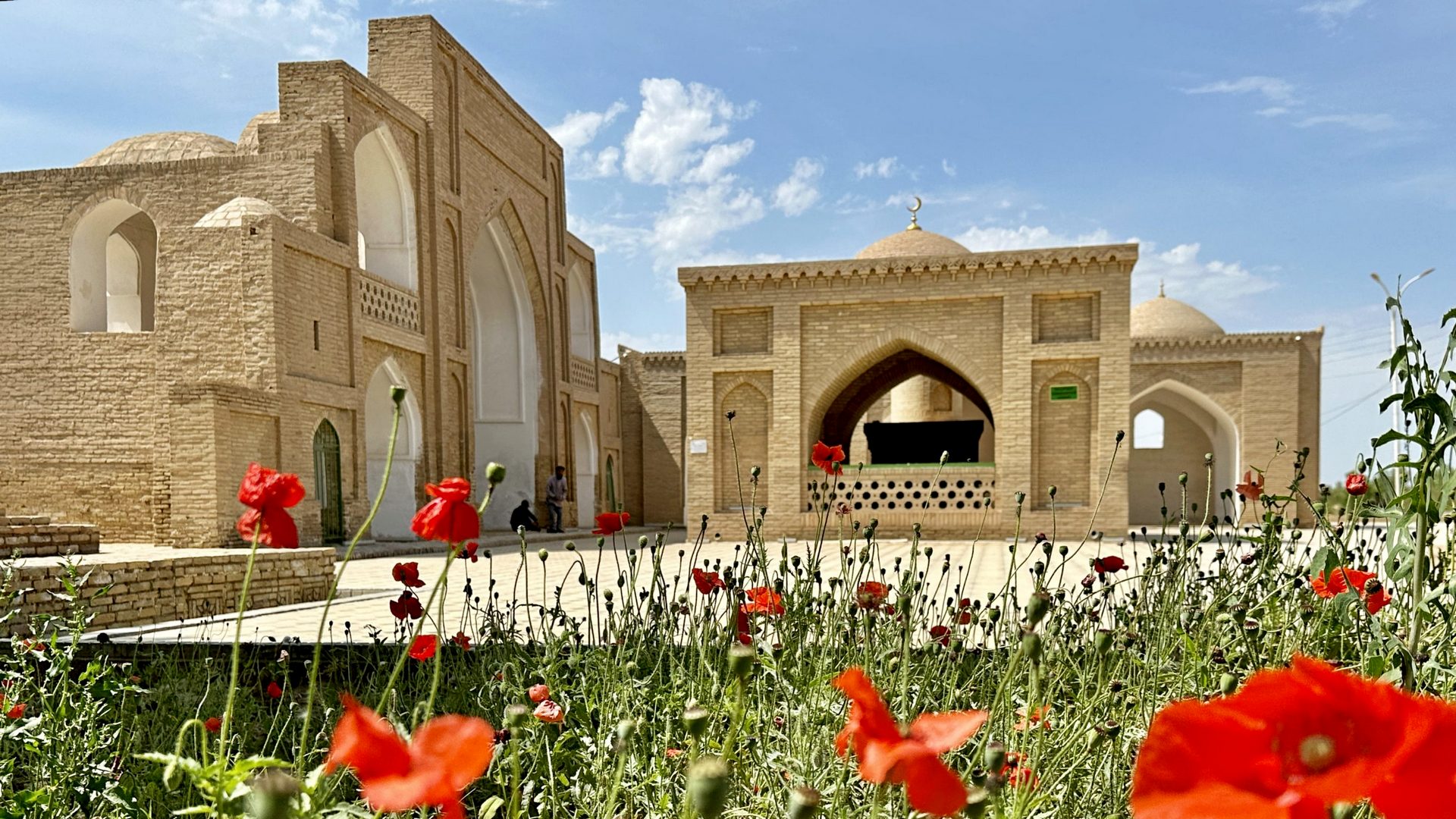
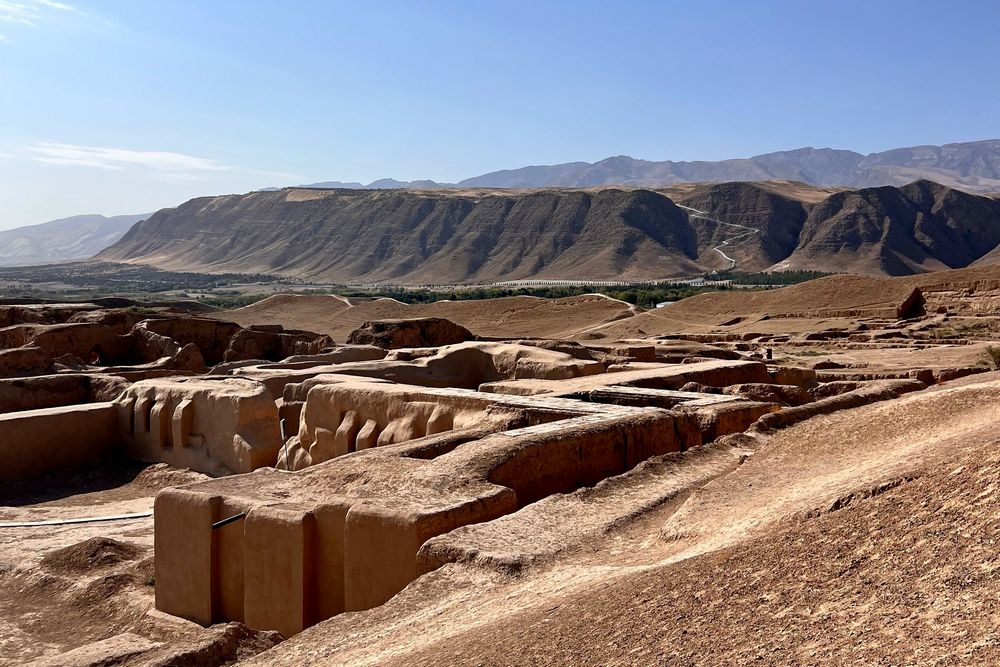
Merv was one of the world’s largest cities in the 12th century. Nisa served as a Parthian capital two thousand years ago. Kunya Urgench holds the tallest minaret in Central Asia.
These are not minor sites. Turkmenistan anchors the Silk Road archaeologically in ways that complement what travelers see in Uzbekistan.
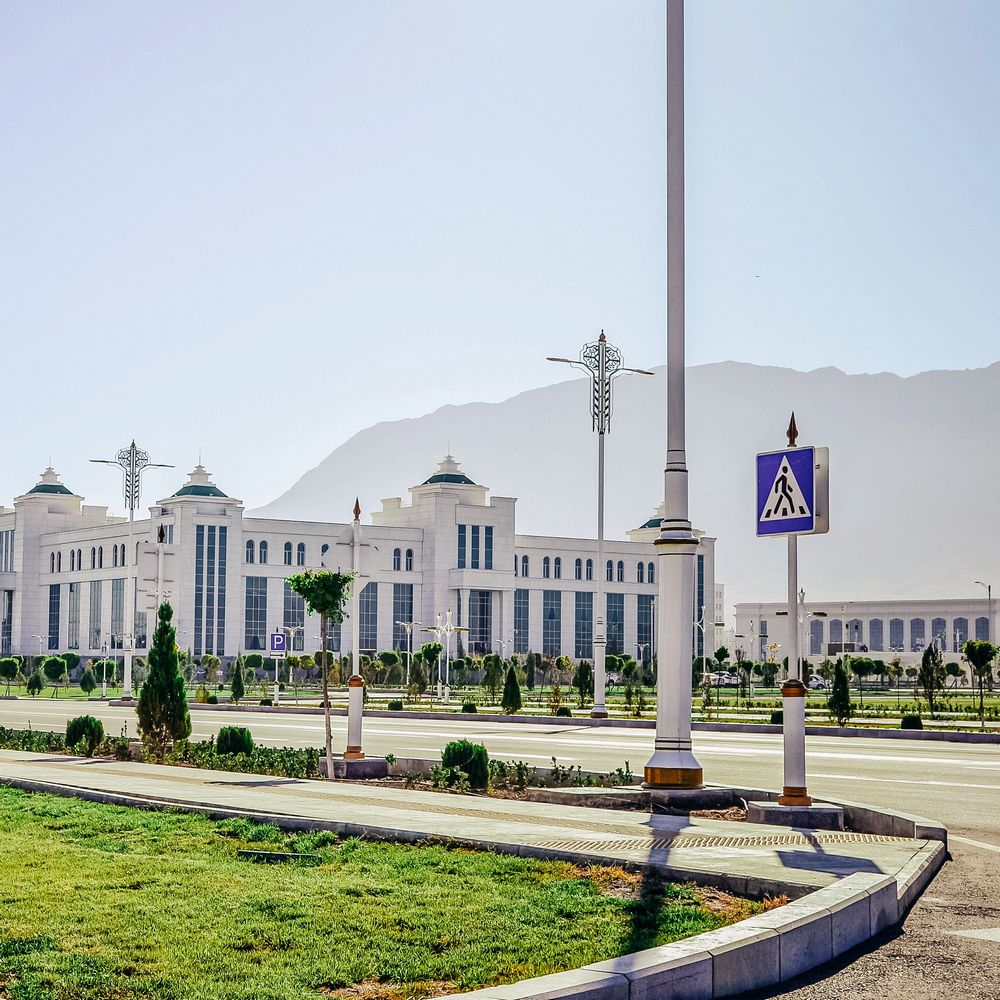
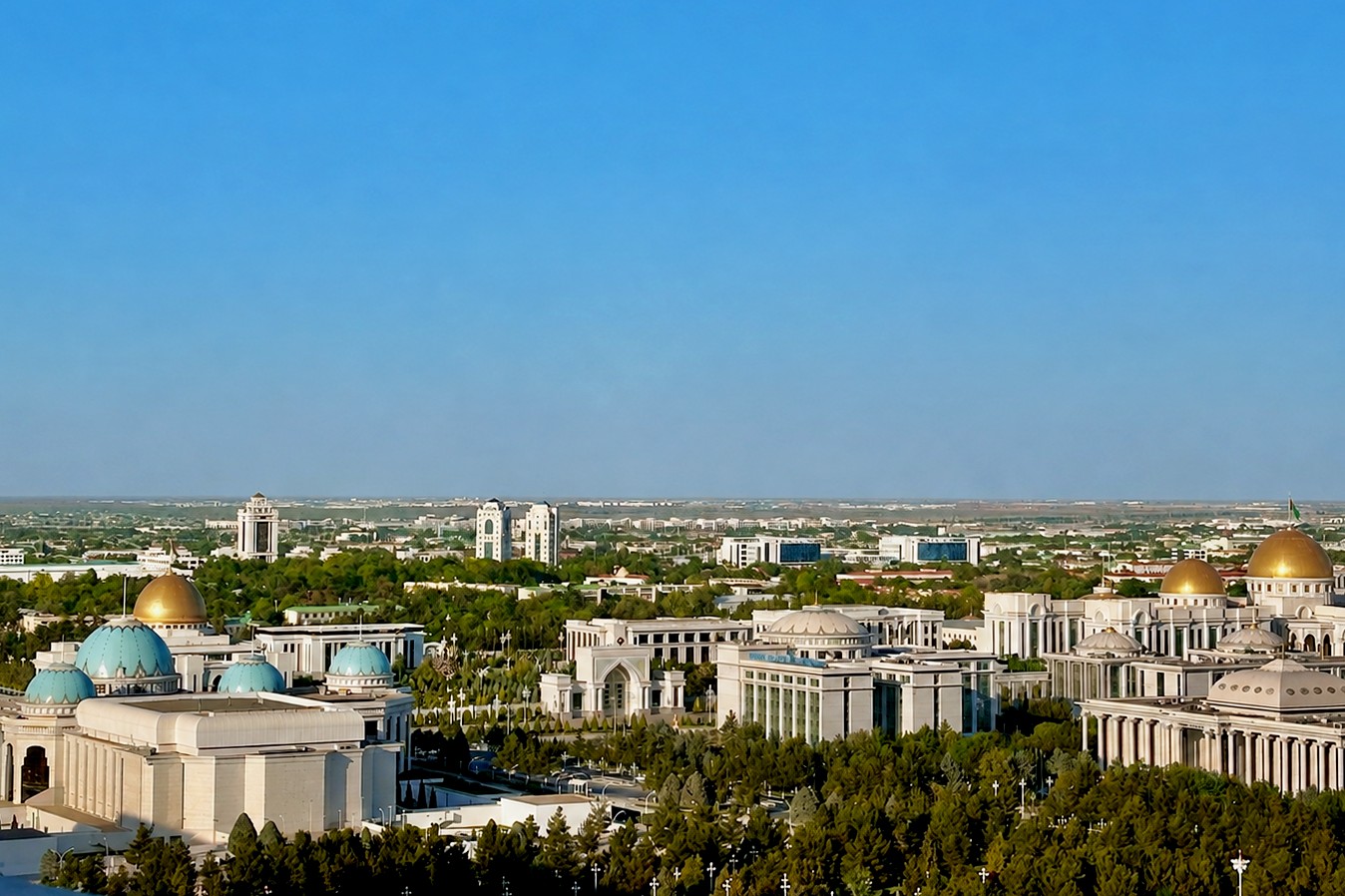
Ashgabat is built almost entirely from white marble. Broad avenues, monumental public spaces, formal gardens. Nothing else in Central Asia looks like this.
Getting in requires preparation. Visas take weeks, not days. The country operates differently from its neighbors, and spontaneity doesn’t work here. Programs need advance planning and realistic expectations about what’s possible.
at a glance
What sets Turkmenistan apart
01
Merv, Nisa, and Kunya Urgench: major Silk Road archaeological sites.
02
Ashgabat: white marble, monumental scale, and a distinct national identity on display.
03
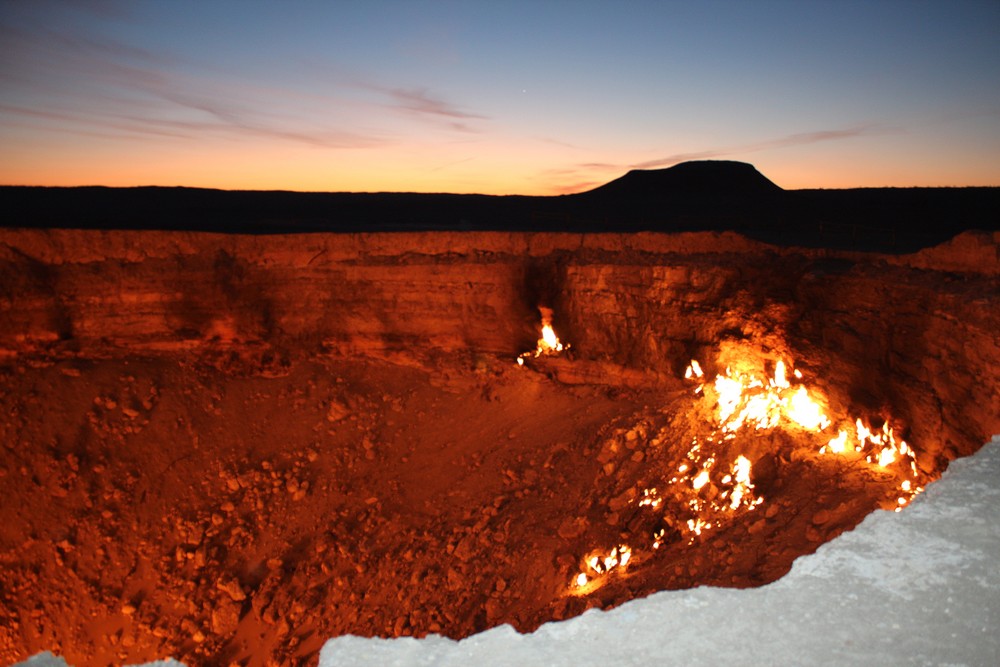
The Darvaza gas crater, burning in the desert since 1971.
04
Yangykala Canyon: layered cliffs in shades of white, pink, and red.
05
Visa processes requiring weeks of advance planning.
what turkmenistan requires
Visa preparations need to begin well ahead of travel. Three to four weeks minimum, sometimes longer.
Itineraries need precision. The country has specific requirements for guides accompanying travelers on all routings, and entry/exit points being kept to. We explain these clearly upfront so programs are built correctly from the start.
on the ground
How MIR Works in Turkmenistan
MIR has operated in Turkmenistan for nearly four decades. We know what works and what doesn’t. We explain visa timelines, build itineraries that meet the country’s requirements, and handle logistics that can’t be improvised.
Turkmenistan pairs overland only with Uzbekistan. We use multiple border crossings, including less-traveled routes that require local knowledge to navigate reliably. Turkmenistan typically serves as either the start or end of a Five Stans itinerary, and we make those transitions work.
what to expect
Ashgabat has white marble boulevards, the National Museum, the Arch of Neutrality, the Turkmenbashi Ruhy Mosque. The scale is deliberate and the uniformity total. Nothing else in the region looks remotely like it.
Merv contains ruins across a vast site revealing 4,000 years of settlement. Massive walls, collapsed fortresses, fragments of pottery underfoot. A UNESCO World Heritage Site and one of the most significant archaeological areas on the Silk Road. Nisa was a Parthian capital from the 3rd century BC. Less dramatic than Merv but historically essential. Kunya Urgench holds a concentration of medieval monuments including the Kutlug Timur minaret, at 62 meters the tallest in Central Asia.
The Darvaza gas crater is a collapsed natural gas field that has been burning continuously since 1971. Best visited at night. Yangykala Canyon: cliffs banded in white, pink, and red.
how programs work
Built around precision, preparation, and sequencing.
01 — Where the Day Ends
Accommodation centers on Ashgabat, where several large international-level hotels provide reliable comfort. Outside the capital, options are more limited. We discuss this with travelers upfront.
02 — Getting Around
Domestic flights connect major regions across the country’s considerable distances. There are currently no direct flights between Turkmenistan and other Central Asian countries, making overland travel with Uzbekistan the primary regional link. Flight schedules should be confirmed early.
when to consider turkmenistan
Some of the most important Silk Road sites in Central Asia, and a side of the region that exists nowhere else.
It needs advance planning and patience with visa processes. For the right program, the effort is worth it.
We build Turkmenistan programs around the kind of access and sequencing that takes years of on-the-ground experience to get right. That might mean time at archaeological sites that dwarf anything else in the region, a night at the Darvaza crater, where a collapsed gas field has been burning since 1971, or an Ashgabat that goes beyond the marble boulevards into something more personal. Turkmenistan doesn’t lend itself to improvisation. We’ve learned what works here and how to build around what doesn’t.
We also handle larger-scale projects: clients driving across Central Asia for weeks or months at a time, bringing their own vehicles and needing comprehensive support including vehicle documentation, border clearances, advance logistics teams, guides at each stage, and routing that functions across multiple countries. We’ve built these programs before.
working on something?
If that works for your program, we’re ready to talk.
More in Central Asia